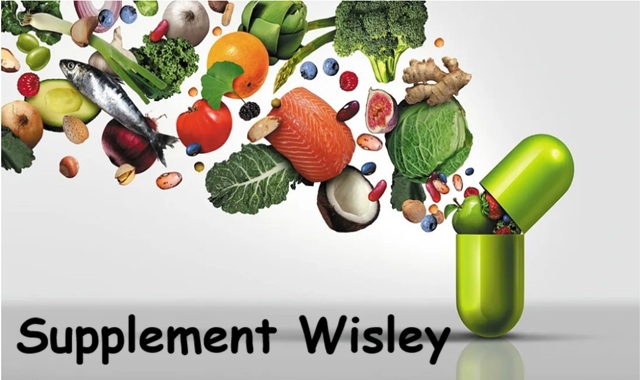
Healthy Habit 7: Supplementing Wisely for the Aging Body
Sometimes even the best diet needs backup. This habit helps you make sense of supplements, what’s worth considering, what to skip, and how to use nutrients intelligently to fill in the gaps your body develops over time.
As you move through midlife and into the senior years, your body’s ability to absorb and produce certain nutrients naturally changes. Digestion may slow, and nutrient absorption becomes less efficient than it once was. This is where supplements can play a supportive role, but they aren’t a magic fix or a one-size-fits-all solution. More is not always better.
Supplements should complement your healthy lifestyle, not replace it. Whole foods, movement, and stress management remain the foundation of well-being. Still, for many people over 55, thoughtful supplementation bridges nutritional gaps, supports energy levels, and enhances overall resilience.
What Changes with Nutrient Absorption?
As your body changes, so does its ability to handle key nutrients. For many, stomach acid production naturally declines with age, making it more difficult to absorb vitamins and minerals such as B12, iron, calcium, and magnesium. Hormonal shifts can also affect how your body uses calcium and vitamin D, two nutrients essential for bone health and overall vitality.
Certain medications, such as acid reducers or blood pressure medications, may further interfere with nutrient absorption or increase the need for specific minerals. Even small dietary shifts, such as reducing your intake of red meat or dairy, can lower your consumption of essential micronutrients.
This is why personalized nutrition becomes more important over time. Understanding what your body needs and where it may require extra support, you make informed, intentional choices.
Smart Supplements to Consider (With Medical Guidance)
Every body is unique, and supplement needs vary based on your diet, health history, and lab results. Always check with your healthcare provider before adding anything new. With that said, certain supplements are commonly helpful for adults over 45.
Vitamin D3 supports bone health, immune function, and mood, especially for those who spend limited time in sunlight. Magnesium calms the nervous system, promotes better sleep, and eases muscle tension. Omega-3 fatty acids (EPA and DHA) help reduce inflammation and support brain, heart, and joint health.
Vitamin B12 becomes more difficult to absorb with age, yet it’s essential for energy production and cognitive clarity. Collagen or protein powders can help support joint health, skin elasticity, and muscle repair, especially when combined with resistance training. And probiotics may improve digestion and immune function by maintaining a healthy balance of gut bacteria.
Other supportive additions may include Calcium for bone density, Turmeric and curcumin for inflammation, and adaptogenic herbs such as Ashwagandha and Rhodiola for stress resilience and energy balance.
The key is personalization. Your supplement routine should be tailored to your unique needs, rather than relying on a generic checklist or marketing claims.
Tips for Choosing Quality Supplements
With numerous products available, choosing wisely is crucial. Look for third-party testing from reputable organizations, such as NSF, USP, or ConsumerLab, to ensure quality and purity. Choose reputable brands that are transparent about their sourcing, manufacturing practices, and ingredient lists.
Be cautious of supplements that promise miracle results or include long lists of ingredients in undisclosed amounts. Avoid unnecessary additives such as artificial colors, fillers, and synthetic preservatives whenever possible.
Storage conditions matter — Many vitamins degrade with excess heat, light exposure, or humidity over time. Check labels for recommended storage (e.g., a cool, dry place) and expiration dates to maximize potency during use.
A high-quality supplement should feel like gentle, steady support for your body, not an overwhelming mix of promises or confusion.
Supplements as Support, Not Substitutes
Remember, supplements are just that, supplemental. They work best as part of a balanced approach that includes nourishing foods, regular physical activity, adequate sleep, and stress management.
When chosen wisely and used intentionally, supplements can help your body adapt to change more effectively. They can support your energy, clarity, and resilience, helping you age with strength and ease.
Always approach supplementation as an act of care, guided by knowledge and compassion for your body’s evolving needs.
Try This Today:
Check your current supplements or vitamins.
Do you know why you take each one?
If not, jot down questions to ask your doctor.
Knowledge turns routine into self-care.
Are you taking any supplements, and are they effective?
Share your experiences below
Let’s take a moment to learn about and appreciate your heart. Your heart is about the size of your fist and weighs roughly 10 ounces. It sits just behind and slightly to the left of your breastbone, in the center of your chest. It is protected by your breastbone and rib cage. The heart’s main job is to pump blood throughout your body. It removes the carbon dioxide waste product and picks up oxygen to deliver to the cells. The heart also works with your nervous system to control your heart rate, and your endocrine system to release hormones that tell your blood vessels when to constrict or relax.
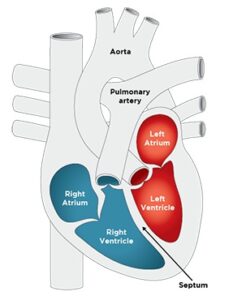
The heart’s strong walls squeeze and relax to pump blood through your body. A muscle layer called the septum divides the heart into left and right sides. The heart is also wrapped in a protective sac that makes fluid, which helps prevent it from rubbing against other organs. Your heart has four chambers: two on the top and two on the bottom.
Right atrium: Two large veins, the superior and inferior vena cava, bring oxygen-poor blood to the right atrium. From there, the right atrium pumps this blood to the right ventricle.
Right ventricle: This chamber sends oxygen-poor blood to your lungs through the pulmonary artery. In your lungs, carbon dioxide is removed, and the blood picks up fresh oxygen.
Left atrium: This chamber receives oxygen-rich blood from the pulmonary veins and pumps it into the left ventricle.
Left ventricle: This chamber is larger and stronger than the right ventricle. It pumps oxygen-rich blood to the rest of your body.
Heart valves are small flaps that open and close to let blood flow through your heart. They also make sure blood moves in the right direction.
The coronary arteries are the first branches off the aorta, supplying oxygen-rich blood to the heart muscle. Other arteries branch off the aorta to carry oxygen-rich blood to the rest of your body.
The heart has its own electrical system that controls the rhythm and speed of your heartbeats. The signals start at the top of the right atrium and travel down to the bottom of the ventricles.
The Heart Attack
If a coronary arteries become blocked, the heart is deprived of the oxygen-rich blood it needs to function properly. A partial blockage creates a condition known as angina. It is a short-lived pain or discomfort that occurs with increased demand, such as during exercise or extreme stress. This is a warning sign that a heart attack can happen. A heart attack is the death of the heart muscle. How bad it is depends on the location of the blockage and how much heart muscle the artery supplies.
For example:
John left work with bad indigestion. He tried taking antacids, but they didn’t help. Soon, the pain spread down his arm. Alone at home, he worried the ambulance would take too long, so he drove himself to the emergency room. He felt a bit dizzy while driving, and the dizziness got worse as he reached the ER parking lot. He remembers getting out of the car, but nothing after that. The switchboard operator, watching the parking lot camera, saw John pass out and quickly alerted the emergency room staff. The doctor and two nurses rushed out. John was in cardiac arrest, so they started CPR and put him on a stretcher to bring him inside. The heart monitor showed he was in ventricular fibrillation, meaning his heart was quivering instead of pumping blood. They used a defibrillator, but his heart rhythm didn’t change. After giving him epinephrine and using the defibrillator again, his heart finally returned to a normal rhythm. The EKG showed he was having a heart attack. John was stabilized and sent to a larger hospital for advanced care. Doctors found that his main coronary artery, which supplies blood to the left side of his heart, was blocked, so they performed a procedure to restore blood flow.
John was very fortunate that day.
Many people ignore or deny heart attack symptoms for about two hours before calling 911. Most cardiac arrests happen during this time.
John managed to reach the hospital before passing out, and the switchboard operator noticed when he collapsed in the parking lot. When the heart doesn’t get enough oxygen, dangerous heart rhythms can happen. If this had happened while he was driving, he could have crashed.
If John had called 911, the ambulance team would have brought oxygen, medicine, and equipment to lower his risk of cardiac arrest.
Signs and symptoms of a heart attack include:
Chest pain or discomfort that feels like crushing, squeezing, heaviness, or even bad indigestion.
Pain in the neck, arm, jaw, or back.
Shortness of breath.
Sweating, nausea, or feeling lightheaded.
If you notice any of these symptoms, call 911 right away.
And remember, typically, in men, symptoms of a heart attack include chest pain or discomfort, arm, neck, jaw, or back pain, shortness of breath, sweating, nausea, or lightheadedness. Women may or may not have these symptoms. They may experience tiredness that won’t go away or feels excessive, anxiety, dizziness, palpitations. Many women attribute these symptoms to less life-threatening conditions such as acid reflux, the flu, or normal aging.
Please share this article with your friends,
and comment below to share any personal experiences
February is Love Your Heart Month. Friday, February 6th, is Wear Red for Women and Heart Disease Day! Over 60 million women in the United States are living with some form of heart disease. It is the Number 1 killer of women in the United States.
Heart disease affects women of all ages. Addressing heart health at every life stage can improve the quality of life and overall health. In the United States, Black women have a higher prevalence and morbidity from cardiovascular disease than non-Black women do. Women have a lower risk of heart disease until after menopause due to estrogen protection; however, Women in their 30s can have serious blockages. Especially if they have a history of diabetes, obesity, polycystic ovarian syndrome, smoking, increased stress, or family history.
According to the American Heart Association, one of the biggest discoveries in the past 10 years is the link between pregnancy complications and heart disease and stroke risk. Now we know that if a woman has gestational diabetes, hypertension, preeclampsia, or eclampsia during pregnancy, that they are a greater risk of developing cardiovascular disease later in life.
Typically, in men, symptoms of a heart attack include chest pain or discomfort, arm, neck, jaw, or back pain, shortness of breath, sweating, nausea, or lightheadedness. Women may or may not have these symptoms. They may experience tiredness that won’t go away or feels excessive, anxiety, dizziness, palpitations. Many women attribute these symptoms to less life-threatening conditions such as acid reflux, the flu, or normal aging.
Lifestyle factors that decrease risk include:
Don’t smoke. Just one year after you quit, you will cut your risk of coronary heart disease by 50%
Eat a heart-healthy diet, such as the DASH or Mediterranean diet, that includes fruits, vegetables, legumes, lean proteins, whole grains, low-fat dairy, and nuts and seeds. Decrease sodium intake to less than 2,300 mg per day (1 teaspoon). Fresh (not canned) fruits and vegetables are low in sodium and aren’t counted in the 2,300 mg.
Engage in moderate intensity exercise for 30 minutes a day.
Carve out time every day to decrease your stress. Get 7 to 8 hours of good quality sleep.
Talk with your provider about your risk of cardiovascular disease and how you can lower it.
The risk of heart disease for women increases significantly after age 40, often rising after menopause due to the loss of estrogen’s protective effects.
Older women are more likely to suffer from heart failure with preserved ejection fraction (HFpEF), or diastolic heart failure.
Take a few minutes and watch this informative Video
Be sure to share your experiences in the comment section
and also share this page with your friends.
Help Us Grow
FREE Healthy Aging Workbook DownloadCLICK ON IMAGE BELOW TO DOWNLOAD

 right atrium pumps this blood to the right ventricle.