To Go or Not to Go Herbal, that is the Question…
Many people nowadays are turning to “organics” and “naturals,” otherwise known as herbals. The rising popularity of herbal supplements has created a new fad, if not a new health lifestyle. Before you join the bandwagon, here are some things you need to know about this mean, “green” dietary supplement machine.
What is the difference between a drug and a dietary herbal supplement?
According to the definition set by food and drug administrations in different countries, drugs are chemicals that can prevent, prolong life, treat other effects of a health condition, improve the quality of life, and/or cure ailments and diseases, or alter the function of any part or chemicals inside the body. These drugs have approved therapeutic claims.
For example, paracetamol is a drug given to bring down body temperature during a fever. Ascorbic acid is indicated for the treatment of scurvy. Iron supplements are given to treat mild cases of anemia.
Herbal supplements are not classified as drugs but as dietary supplements. The main difference is that they do not have approved therapeutic claims unlike in the case of drugs. Moreover, dietary supplements could contain vitamins, minerals, herbals, or amino acids, all aimed at adding to or supplementing the diet of an individual. They are not intended to be taken alone as a substitute for any food or medicine.
Most of the manufactured medicines we now have once came from animals and plants. Through the years, chemists isolated the life-saving or life-curing components and separated them from the harmful ones. This led to further drug research and drug development that led to the production of a different variety of drugs for many ailments and conditions from synthetic sources. But still we have semi-synthetic drugs, as well as drugs that more or less approximate natural composition. Since herbal supplements are made from a mixture of crude herbs reduced into powder or gel form, and later on packaged as tablets and capsules, there is a possibility that life-threatening or at least body chemistry-altering components are still present; thus the expression of concern from the medical community.
Is there a growing concern with the use of herbal supplements?
Yes. With the rising popularity of using and consuming anything herbal or organic, there is a proliferation of fake herbal supplements that threaten to endanger lives. If that’s the case, then why are herbal supplements given drug administration approvals? One way of ensuring the safety of the people is to have all candidate drugs, food, drinks, and dietary supplements registered with the proper authority. Otherwise, they would pose more risk, with these things being sold on the black market for a hefty sum. We could ensure the quality and safety of herbal supplements if they get proper classification with the Food and Drug Administration. Moreover, people may be able to file the proper complaints in the event a worsening of health condition is proven to be linked to the use of a particular herbal supplement.
Is using herbal supplements worth the risk?
Yes. It cannot be discounted that many who have tried herbal supplements experienced an improvement in their health—whether this is due to the herbs themselves or due to a placebo effect; as long as they do not worsen the condition of an individual, then using them is worth the risk. But of course, certain things must be considered before taking those herbal supplements:
Your doctor knows best.
First of all, clear your condition with your doctor. Ask him/her if taking a particular herbal supplement is safe given your health condition. People with heart, liver, or kidney trouble or malfunction are usually not advised to take these, or at a minimum, to take these herbals in minimal amounts. All substances pass through the liver and kidneys to be processed and filtered, respectively. Kava, which is used to relieve people from stress, has been pulled out of the Canadian, Singaporean, and German markets because it contains substances that cause liver damage. Certain herbals, such as Ephedra used for losing weight, contain chemicals with heart-inducing effects that can increase heart rate, which in turn can exhaust the heart and cause heart attacks in several documented cases by the American Medical Association.
Follow the directions for use.
Never take more herbal supplements than what is directed by the doctor or as instructed on the bottle. Each individual reacts differently to the components of herbal supplements. While it is perfectly safe for one individual to take a supplement of primrose oil capsules, another person may be allergic to it. So, do not even think about downing one bottle of
It has no approved curative effect.
No matter how the product pamphlet or the label of the bottle sounds about how it has been found to be helpful in certain health conditions, these herbal supplements are not therapeutic. So do not substitute these for the medications prescribed by your doctor for the treatment of certain diseases, or for the maintenance of blood pressure, lowering of blood sugar and cholesterol, and fighting off infections.
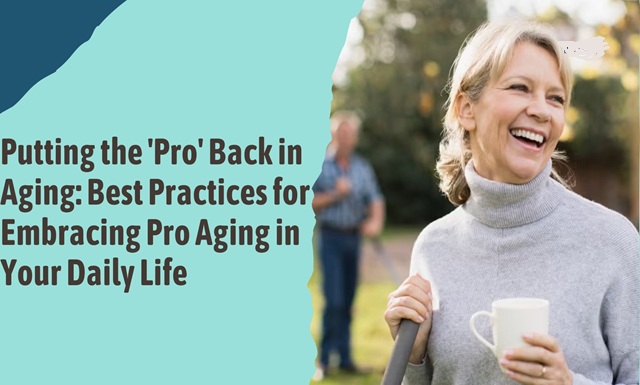
Habit 12: Build a Pro-Aging Environment
Your surroundings can either drain your energy or feed it. In this final habit, you’ll learn how to design spaces, routines, and relationships that naturally support a pro-aging environment, contributing to your health and happiness, making aging well effortless, not forced.
Your habits don’t exist in a vacuum; they’re shaped by your surroundings. The spaces you live in, the people you interact with, and the routines you keep all influence how easily (or how hard) it is to stay well.
A genuinely supportive lifestyle reflects what your surroundings inspire and makes it easy to do. With small, deliberate adjustments, you can shape daily life so that healthy habits feel effortless and lasting.
Your Home: Make Wellness Easy and Visible
- Keep movement tools visible: Resistance bands, yoga mats, or hand weights within reach.
- Create calming zones: A reading nook, a quiet space for breathwork or journaling.
- Stock nourishing options: Make healthy snacks and meals easier to access than processed ones.
- Declutter strategically: Clear spaces reduce stress and support better focus and sleep.
- Natural light and plants: Support circadian rhythm and emotional balance
Design your space so it nudges you toward the habits you want to keep.
Your Habits: Structure That Supports You
- Anchor routines to your existing habits (stretch after brushing your teeth, walk after lunch)
- Use gentle cues (Post-it notes, checklists, alarms, habit trackers)
- Make it flexible but consistent routine without rigidity.
- Celebrate small wins to build momentum and confidence.
The goal is not discipline for its own sake but rhythm that supports resilience.
Your People: Build a Circle That Lifts You Up
- Seek out those who value health and growth, not perfection, but progress.
- Have open conversations about aging- honest, empowering, and shame-free.
- Ask for support from a partner, friend, coach, or group.
- Let go of energy-drainers where possible or set firmer boundaries.
A pro-ageing environment is easier when you’re surrounded by people who remind you it’s possible.
You don’t need to change everything overnight. But each shift you make toward a more supportive space, a more intentional rhythm, a more encouraging circle makes healthy aging less about willpower and more about design. Build a life that fits the version of you you’re becoming.
Healthy aging is more about embracing what’s possible instead of focusing on what’s been lost.
Reflection:
Look around your space. What small change could make it feel more peaceful, inspiring, or easy to live well in? Rearranging one corner can shift your whole rhythm.
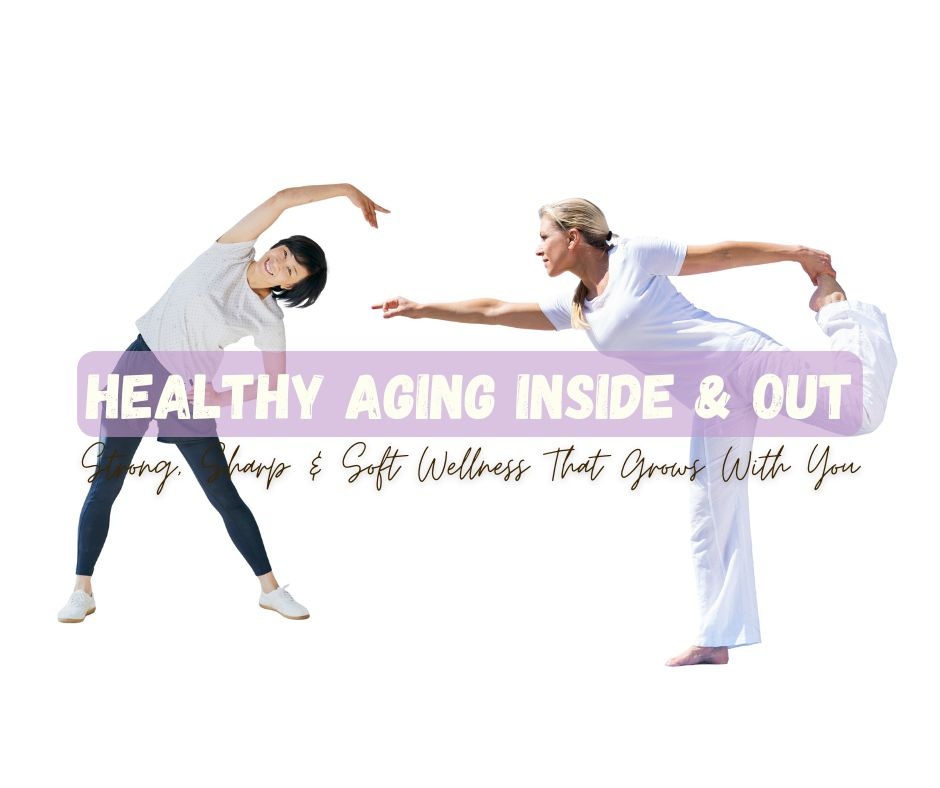
You’ve explored 12 foundational habits that support a body that moves with ease, a mind that stays sharp, and a heart that remains open. You’ve seen how strength, clarity, and softness aren’t opposites; they’re allies. Together, they form the foundation of a life that grows deeper, wiser, and more vibrant with time.
Let’s recap:
- Strength gives you the physical capacity to stay active, independent, and confident.
- Sharpness keeps your mind agile and your focus strong, so you can continue to learn, adapt, and contribute.
- Softness offers recovery, reflection, and emotional resilience, the quiet power that allows you to navigate change with grace.
This is a lifestyle shift. This is a change that lasts. And like any lasting change, it’s built one habit, one choice, one day at a time. And perfecting yourself is a lifetime challenge, not a short-term one. That’s why you can give yourself a break – you have plenty of time!
As you move forward:
- Choose progress over perfection.
- Listen to your body’s wisdom.
- Honor your need for both effort and ease.
- Celebrate how far you’ve already come.
You’re not just aging; you’re evolving. And this journey is full of vitality, clarity, and deep-rooted strength. Keep going. You’re building a life that’s strong, sharp, and soft on purpose.
Please share YOUR experiences in dealing with these habits
in the comment section below
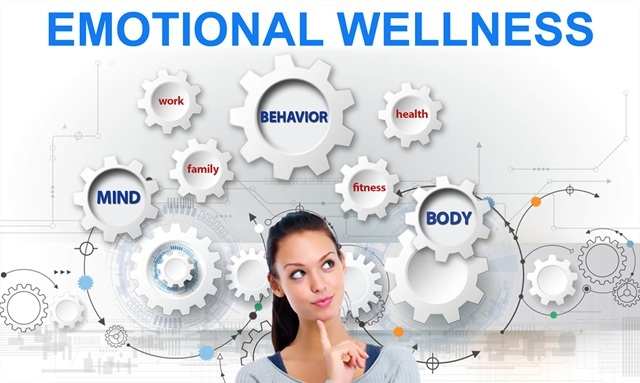
Habit 11: Emotional Wellness & Inner Strength
Every phase of life reshapes who you are. In this section, you’ll learn how emotional wellness helps you adapt, grieve, grow, and rediscover purpose. Here, strength turns inward, and wisdom takes the lead.
Aging brings inevitable transitions, some welcome and others difficult. Children grow up. Parents decline. Relationships evolve. Bodies change. Careers shift. With these transitions come opportunities to deepen emotional resilience and reconnect with a sense of meaning.
Emotional wellness requires building the strength to face change, process emotion, and stay grounded in who you are, even when everything around you is shifting.
Processing Change in Midlife and Beyond
Midlife often brings a reevaluation of identity. You may ask:
• Who am I when I’m not defined by work or caregiving roles?
• What parts of my life have I outgrown?
• What truly matters now?
These questions are not crises; they’re invitations. Processing the answers takes courage, time, and support.
Give yourself permission to grieve, reflect, release, and reimagine.
Mindset Practices That Build Adaptability
1. Self-compassion: Speak to yourself like you would to a beloved friend.
2. Reframing: Shift from “this is the end” to “this is a turning point”
3. Gratitude: Focus on what’s present, not just what’s missing
4. Boundaries: Protect your energy and peace
5. Curiosity: Explore your feelings instead of suppressing them
Mindset work doesn’t erase hard feelings; it gives them context and clarity.
The Role of Joy, Purpose, and Connection
• Joy is a nervous system reset. It doesn’t need to be big, small daily pleasures count.
• Purpose gives structure and meaning to your days, whether through work, caregiving, creativity, or service.
• Connection reminds you that you’re not alone. Strong relationships are linked to a longer lifespan and better health.
Make time for laughter, art, music, nature, and companionship. These aren’t distractions from wellness; they’re central to it.
Emotional resilience requires learning to move through change with grace, grit, and a sense of self that deepens over time. The stronger your inner world, the more ease you’ll find in navigating your outer one.
Try This Today:
Reach out to one person who lifts you or write in your journal about someone who has had a positive impact on you. Connection and gratitude are quiet acts of resilience.
HAVE YOU APPLIED ANY OF THESE SUGGESTIONS TO HELP YOUR EMOTIONAL WELLNESS
COMMENT BELOW
Habit 10: Rest and Recovery Is The Often-Missing Piece
Even progress needs pauses. This habit reminds you that rest and recovery isn’t laziness; it’s how the body repairs and grows stronger. Let’s explore the different kinds of rest your mind and body crave, and how to weave them into daily life without guilt.
In a culture that glorifies hustle, rest is often viewed as a sign of weakness. But as we age, the need for intentional rest and recovery becomes non-negotiable. Without it, progress stalls, energy fades, and the risk of injury or burnout rises.
Rest, far from wasteful, is regenerative! It’s the space where the body repairs, the mind integrates, and the nervous system resets.
Why Overdoing It Backfires After 55
The body’s recovery processes naturally slow with age. Hormonal shifts, inflammation, and accumulated stress all make it harder to bounce back from intense workouts, busy schedules, or chronic overcommitment.
Ignoring the need for recovery can lead to:
- Increased fatigue or brain fog
- Persistent soreness or injuries
- Hormonal imbalance and sleep disruption
- Mood swings and burnout
Rest is preparation for your next phase of growth. You need it as much as anything else in life.
Forms of Rest That Support Aging Well
Not all rest is sleep. There are multiple types of rest, all of which play a role in healthy aging:
- Physical rest: Sleep, naps, stretching, massage
- Mental rest: Screen breaks, nature time, silence
- Emotional rest: Journaling, therapy, saying “no”
- Social rest: Boundaries, solitude, quiet friendships
- Creative rest: Beauty, music, spaciousness, inspiration
Integrating rest and recovery into your daily rhythm allows your energy to sustain, not just spike and crash.
Restorative Practices to Explore
- Active recovery days: Gentle walking, yoga, or foam rolling
- Non-sleep deep rest: Guided meditation, body scans, breathwork
- Digital detox evenings: Unplug before bed to calm your brain.
- Intentional “unproductive” time: Reading, crafting, gazing out the window.
Schedule rest the same way you schedule workouts or appointments. Recovery is a form of discipline.
You don’t need to earn rest. But you do need to honor it. Recovery, far from a luxury, is a vital part of growth and sustainability. When you build softness into your routine, you create the space for strength to flourish.
Reflection:
When was the last time you truly felt rested, not just caught up on sleep?
Write down one small way you could make rest a regular, non-negotiable part of your week and share your thoughts and ideas in the comment section below.
Habit 9: Stress Management for Cellular Health
Stress may start in the mind, but it leaves fingerprints throughout the body. Here, you’ll discover how chronic tension accelerates aging and learn simple, restorative ways to calm your system, protect your cells, and reclaim your inner peace.
Stress doesn’t just affect your mood, but it also impacts your biology. Chronic stress accelerates cellular aging, increases inflammation, and interferes with hormone function, digestion, immunity, and sleep. Left unchecked, it wears down your resilience from the inside out.
However, here’s the opportunity: how you manage stress in midlife can significantly impact your entire health trajectory moving forward.
The Inflammation-Stress Connection
When your body perceives a threat physical, emotional, or environmental it activates the fight-or-flight response. This releases cortisol and adrenaline, which are helpful in emergencies but harmful when activated constantly.
Chronic stress can:
- Suppress immune function.
- Disrupt digestion and nutrient absorption.
- Raise blood pressure and blood sugar.
- Trigger or worsen autoimmune and inflammatory conditions.
- Accelerate the shortening of telomeres (a marker of cellular aging)
Reducing stress requires slowing cellular wear and tear.
Gentle Biohacks for Resilience
You don’t need extreme interventions to shift your body out of stress mode. Small, daily practices make a measurable difference.
- Breathwork: Slow, diaphragmatic breathing activates your parasympathetic nervous system.
- Sunlight: Morning exposure supports circadian rhythm and boosts serotonin
- Grounding: Walking barefoot on grass or soil can reduce inflammation markers
- Cold exposure: Brief cold showers or face splashes may improve mood and reduce stress hormones.
- Laughter: Triggers the release of feel-good neurotransmitters and relaxes muscles
Even five minutes of focused breathing or stepping outside can regulate your system.
Building a Calm-Centered Daily Rhythm
- Start your day without your phone, ground yourself before input.
- Schedule in “white space” between tasks
- Create a wind-down ritual at night.
- Limit multitasking and overstimulation.
- Practice gratitude journaling or reflection.
You can’t eliminate all stress. However, you can develop tools and rhythms that help you recover from it more quickly.
Stress is inevitable. But chronic stress is optional. By learning to regulate your nervous system and protect your inner calm, you’re not just managing your day; you’re preserving your long-term health at the deepest levels.
Try This Today:
Pause three times today for one minute of slow, steady breathing. Feel your shoulders drop. Feel your pulse settle. That’s your nervous system recalibrating in real time.
How have you been managing stress?
Share your experiences below
in the Comment Section
Healthy Habit 8: Hormone Harmony
Your hormones tell the story of balance inside your body. This section explores how those signals shift through midlife and how to work with them, not against them, using movement, nutrition, and stress reduction to find steady ground again.
Many conversations focus on Female Hormones, but Male hormones play an important part in Healthy Lifestyles also
Hormones are your body’s messengers. They influence energy, mood, weight, sleep, libido, temperature regulation, and more. As we age, hormonal shifts are natural, but that doesn’t mean we’re powerless in how we respond to them.
The transition through midlife, especially during perimenopause and andropause, can bring significant changes. These aren’t just about reproduction; they affect every system in the body. The key is learning to work with your changing body rather than fight it.
Understanding the Shifts
For women, estrogen, progesterone, and testosterone fluctuate during perimenopause and decline after menopause. This can impact:
- Mood and memory
- Sleep and hot flashes.
- Weight distribution and metabolism
- Skin and joint comfort
- Bone density and libido
For men, testosterone often declines gradually starting in midlife. This may influence:
- Energy and motivation
- Muscle mass and strength
- Sexual function and mood
- Fatigue and sleep quality
Everyone’s experience is unique. Some changes are mild; others may be disruptive. The good news is that many lifestyle factors can support hormonal balance.
Lifestyle and Food Choices That Help
- Eat the right amount of protein and healthy fats to support hormone production.
- Manage stress, which can suppress key hormones like testosterone and progesterone.
- Move regularly, including strength training and gentle cardio.
- Prioritize sleep, which regulates hormonal rhythms.
- Reduce sugar and alcohol, which can cause fluctuations and inflammation.
- Include fiber and cruciferous vegetables to support hormone detox pathways.
When to Explore Testing or HRT Options
If lifestyle shifts aren’t enough, it’s worth discussing your symptoms with a healthcare provider trained in midlife hormone health. They may suggest:
- Blood or saliva testing
- Bioidentical hormone replacement therapy (HRT)
- Herbal or natural supplements to ease symptoms.
- Thyroid or adrenal function testing, which often overlap with midlife changes.
The goal is to alleviate discomfort and restore balance, allowing you to function and feel your best as you age. Aging is inevitable, but being miserable and in pain is not.
Hormonal changes are not a flaw in the system; they’re part of the natural evolution of the body. When you support your hormones instead of fearing them, you allow yourself to move through midlife with power, grace, and clarity.
Reflection:
Notice patterns in your mood, energy, and sleep this week. Do they align with your stress levels, diet, or movement? Awareness is the first step toward Hormonal balance.
Have you managed your Hormone Harmony well, as we have aged?
Share your experience below.