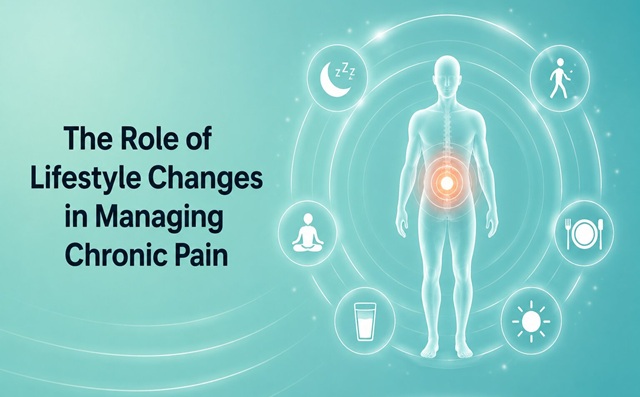
Lifestyle Can Affect Chronic Pain
Pain is your body’s way of telling you that something is wrong. Sometimes, pain can stick around even after the original problem has healed. If pain lasts longer than three months, it is called chronic pain. You might feel it anywhere in your body, and it can be mild or severe, come and go, or be constant. It can also be distracting or even disabling. Common types of pain include back pain, arthritis, and headaches. Your healthcare provider will help you find treatments or medications to help reduce your pain.
Making lifestyle changes to your daily habits can also help manage chronic pain.
-
- Diet and nutrition: When your body is inflamed, you feel pain. Eating a lot of processed foods can make inflammation worse. Diets like the Mediterranean diet, which include fruits, vegetables, beans, whole grains, nuts, seeds, and fish, help reduce inflammation. Eat real foods, mostly plants, and avoid highly processed foods. If you can’t pronounce the ingredients, don’t eat it.
- Movement: Being active on a regular basis can help stop the pain cycle. Exercise makes your muscles stronger, helps you move better, and supports your joints. It also improves blood flow, brings nutrients to your tissues, and releases natural chemicals that block pain and lift your mood. Staying active can also help with anxiety and depression that often worsen chronic pain. Activities like walking, swimming, cycling, yoga, Tai Chi, Pilates, and using resistance bands can all help reduce pain. Start slowly, pay attention to how your body feels, and make sure to rest and recover. Talk to your healthcare provider or physical therapist before starting a new exercise routine.
- Sleep: When you don’t sleep well, your brain has a harder time handling pain. Poor sleep can also lower your mood and increase the risk of depression and anxiety, which can make pain feel even worse. Keep your bedroom at a comfortable temperature, and try not to eat, work, or use screens in bed. Turn off electronics an hour before you go to sleep, since blue light can make it harder to fall asleep. Create a bedtime routine to help your body relax.
- Social connection: People who have strong social support and close relationships tend to feel better emotionally and have less stress. They also often feel less pain than people who are more isolated.
- Decrease stress: Pain is the brain’s protective response. Nerves detect actual or potential harm and send warning signals to the spinal cord and brain. The brain then creates pain to protect the body.
Stress can intensify pain. When the brain senses danger, it releases stress hormones that generate energy and prepare muscles for fight or flight. This response is useful in a crisis, but chronic stress keeps muscles tense and increases inflammation, contributing to ongoing pain.
- Thoughts trigger chronic pain reactions. The brain and body respond to an imagined threat the same way they respond to an actual threat. A frightening movie, for example, can increase the heart rate, raise blood pressure, and tense the muscles even though no actual danger is present. The mind/body connection is the same whether it is real danger or stressful thinking.
- Attention and expectation influence pain. Repeatedly anticipating pain makes a person hyper-vigilant. If you expect pain every time you stand up, you reinforce the focus on the pain.
- Mood affects the pain experience. Pain feels more manageable when you are in a positive or calm mood and more intense during periods of distress.
- Awareness can help. Recognizing stress triggers and understanding the mind-body connection reduces fear and can lessen the experience of pain.
- Respond to flare-ups with compassion. Instead of struggling to fix the pain, pause and nurture yourself. Choose a calming or enjoyable activity. As stress decreases and the mind settles, the pain may become easier to manage.
Chronic pain is real, even when tests do not reveal a clear cause. It is not all in the mind, but the brain and body work together to shape how pain is experienced.
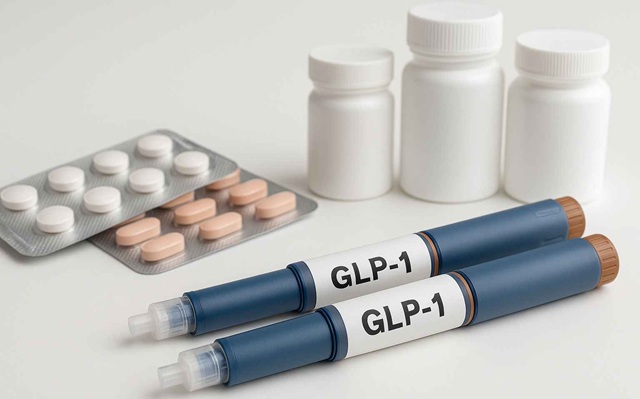
GLP-1 Receptor Agonists
Sally was feeling tired and sluggish. She made an appointment with her provider to discuss how she could improve her health. Her physical exam showed that her BMI was in the obese category, her Ha1c (3-month average blood sugar) was 8, which correlates to an average blood sugar of 183. This is in the diabetic range. Her blood pressure was elevated.
Sally had tried every diet known to mankind, so she and her provider decided to try a GLP-1. Sally felt defeated. She knew she could do this on her own. For the first few weeks, she felt bloated and nauseated with the new medication.
She followed up with her provider and was referred to a nutritionist and coach to understand what was happening and how to decrease the side effects.
Glucagon-like peptide 1 receptor agents (GLP-1 RAs) are being prescribed for a growing number of people for Type 2 diabetes, obesity, and associated conditions including cardiovascular disease, fatty liver disease, and obstructive sleep apnea. For many people, these meds are a lifeline.
Our body naturally makes the hormone GLP-1 when we eat, but sometimes we don’t
make enough. The GLP-1 Receptor agonists* are a synthetic analog of these natural
hormones.
We live in an obesogenic environment where we consume easy, ultra-processed foods with chemicals we can’t pronounce, added sugars, unhealthy fats, and sodium. We also have food noise, which is different from hunger. This is a persistent mental chatter about food that distracts, stresses, and influences our eating behaviors.
These two factors create an unhealthy relationship with food. The GLP-1 Ra medication quiets the food
noise. Your body says I feel full and don’t need to eat any more. We have more control.
The goal of these drugs is to promote health. They not only control blood sugar and
contribute to weight loss, they also help decrease blood pressure, decrease obstructive
Sleep apnea, remove fat from the liver, and decrease heart disease risk.
Sally’s provider educated Sally about the benefits and the side effects of GLP-1 medications.
There are common side effects. The most common are stomach issues like nausea, vomiting,
diarrhea, and constipation. Some people have also reported pancreatitis and gallbladder disease.
Because these medicines often lead to reduced calorie intake, some people may experience hair loss
, muscle loss, or decreased bone density. Some sources list depression and anxiety as a side
effect, but newer research shows GLP-1s may improve mental health and reduce anxiety and
depression.
GLP-1s are contraindicated in patients with medullary thyroid cancer or with a
family history of medullary thyroid cancer due to the potential for increased risk. More research
is being done.
Sally was referred to a dietitian and a coach to discuss the importance of nutrition and adopting a
healthy lifestyle in lowering the risks of side effects. She learned:
1. Stop eating when you feel full. It is better to eat small meals frequently.
2. A Mediterranean-style diet is balanced and will help you get adequate nutrients.
3. Minimize or avoid ultra-processed foods. The added sugars and unhealthy fats can
worsen the side effects.
4. Aim for 80 to 120 grams of protein per day to preserve muscle and bone mass. That
would be 30 grams per meal x 4 meals per day.
5. Avoid fatty foods to decrease GI side effects.
6. Use a tracker to ensure you are getting the micro- and macronutrients you need.
7. Drink enough water to stay hydrated. Your urine should be a pale yellow.
8. Aerobic and resistance exercise help preserve muscle mass and bone. Aim for 150
minutes of moderate aerobic activity per week and include about 20 minutes of resistance
exercises 2 times a week.
9. Aim for 7 to 9 hours of good sleep per night. If you have sleep apnea, see your provider.
10. Lower stress. Good nutrition, exercise, staying in the present moment, and doing calming
activities each day can help.
11. Limit alcohol to no more than 1 serving for women and 2 servings for men daily.
Sally is doing well with changing her lifestyle and improving her nutrition. Her GI side effects
have resolved, and her weight is coming off. She was cautioned that should she discontinue the
GLP-1, the hunger and the food noise would come back. Most regain the weight. Continuing
these tips may minimize the weight gain.
* Agonists: An agonist is a substance (like a drug or hormone) that binds to a cell receptor and activates it to trigger a physiological response. It essentially mimics the action of a naturally occurring substance. In anatomy, an agonist (or “prime mover”) refers to a muscle that contracts to produce a specific movement.
June is Brain Health and Alzheimer’s Awareness Month.
Keep your Brain Health Strong!
Our brain is a fabulous computer, and its health needs to stay tuned. It is the command center of our nervous system and all the body’s physiological processes. The brain grows three times its size in the first year of life and achieves its maximum mass at age 25. After age 25, there is a modest loss until age 60. We lose 0.5-1% of brain volume each year after age 60. Most of us have problems with forgetting as we age.
What happens to impair our memory? According to neuropsychiatrist Daniel Amen,
think BRIGHT MINDS.
- B = Blood Flow to the brain is important. When blood vessels supplying the brain are damaged, narrowed, or blocked, the supply of oxygen and nutrients is reduced. Decreased blood flow to the brain affects memory. Vascular dementia is one of the main causes of impaired memory. Have your cholesterol checked. High LDL cholesterol is now listed as a risk factor for dementia.
- R = Retirement/Aging—
Those who retire early have a higher risk of dementia than those who work longer. Have a plan to keep the brain active, such as traveling, interacting with others, and learning new skills. Also, have your vision and hearing checked regularly. Both vision loss and hearing loss are now risk factors for dementia.
- I = Inflammation—
A study from Johns Hopkins tracked blood biomarkers of inflammation, called C-reactive Proteins, and found that those with chronic inflammation had the most white matter damage in the brain. White matter carries information between nerve cells. To fight inflammation, follow a diet like the MIND diet, a combination of the Mediterranean and DASH diets. Also, take care of your teeth. Poor dental health can lead to a decline in brain health.
- G = Genetics –
They are not our destiny. Having the gene for Alzheimer’s increases your risk, but does not mean you will acquire Alzheimer’s disease.
- H = Head Trauma –
Symptoms depend on what part of the brain is injured. Symptoms can include depression, memory loss, personality changes, or Parkinson’s disease. They can occur years after the trauma. Protect your brain. It is like soft butter in a rigid container.
- T = Toxins –
Avoid or limit alcohol. Don’t smoke anything. Marijuana negatively affects the hippocampus, the brain’s major memory center. Drink more water. Sleep 7-9 hours. Sleep supports the body’s natural detoxification system. Eat cruciferous veggies like broccoli, brussels sprouts, and cauliflower. They have a detoxifying ability. The antioxidants of fruits and vegetables protect cells against damage.
- M = Mental Health—
Anything that hurts your mind hurts your brain. Our thoughts determine our perception and our feelings 100% of the time. We have 70,000 thoughts a day. Don’t latch on to the bad ones. Quiet your mind every day. Try things like writing what you are grateful for, walking in nature, deep breathing, meditation, prayer, journaling, or creating art or music.
- I = Immunity/Infections –
A weakened immune system can increase the risk of memory issues and dementia. Keep your immune system healthy by not smoking and eating a diet high in fruits, vegetables, and mushrooms. Take a multivitamin, exercise, minimize stress, and maintain a healthy weight. Be sure to wash your hands. Poor handwashing is the #1 cause of infections.
- N = Neurohormone deficiencies –
Discuss checking your hormone levels, such as estrogen, testosterone, and thyroid, every few years. Include fiber in your diet. Work your way up to 30 grams per day. Fiber feeds our microbiome, which affects our hormone levels. Avoid hormone disruptors found in our plastics.
- D = ‘Diabesity’ –
Diabetes and obesity go hand in hand. Both lead to depression, inflammation, Alzheimer’s disease, hypertension, and strokes. The problem is insulin resistance. Avoid highly processed, refined carbohydrate foods and saturated fats. These contribute to insulin resistance.
- S = Sleep issues –
Aim for seven to nine hours of sleep per night. If you snore, get tested for sleep apnea. Keep the bedroom cool and dark. Avoid eating within two to three hours of bedtime. Turn off electronics 30 minutes before bedtime.
Let’s keep our brains healthy throughout our lifetime.
Discuss this with your health care provider.
Share your experiences with these suggestions
in the comments below

Eating for Health.
After John’s heart attack, his doctor talked with him about eating for health and the diets that could lower his risk of another one. He recommended a whole-food, plant-based diet (plant-focused), a vegetarian diet (includes dairy and eggs), or a Mediterranean diet (includes fish, dairy, eggs, and poultry). Research shows all three meet most of the same nutritional goals. The whole-food, plant-based diet requires a B12 supplement. There is research supporting its role in improving heart disease and diabetes. The vegetarian and Mediterranean diet also benefits heart disease and diabetes. This plan is eaten in regions known for longevity. These dietary patterns also have a great nutritional profile.
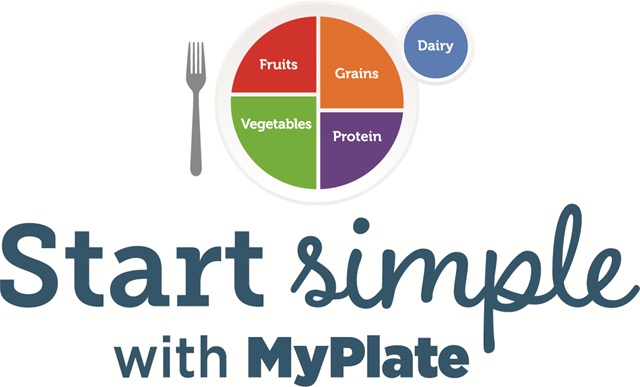
All of these diets include proteins, carbohydrates, and fats within the recommended macronutrient ranges. Macronutrients are important for energy, hormone production, and overall body function, so it’s important to include all food groups. Using My Plate (Download E-Book Here) is a helpful way to make sure your diet is balanced.
John decided to follow the Mediterranean diet because it best suited his needs. Since he often ate out, the fish, poultry, and egg options gave him the flexibility he wanted.
The Mediterranean diet focuses on plants but allows fish, poultry, and dairy. Red meat is eaten occasionally. It offers helpful plant compounds, such as antioxidants and phytonutrients, along with fiber and water. It’s low in saturated fats, trans fats, cholesterol, sodium, added sugars, ultra-processed foods, and red and processed meats.
He planned his meals using My Plate guidelines. He filled half of his plate with non-starchy vegetables in green, red, yellow, orange, and purple—each color offering different health benefits. The other half was split between protein and starchy vegetables. His protein came from fish, poultry, legumes, eggs, nuts, and seeds. He kept red meat to 4 ounces a week and avoided processed meats. The last section of his plate included grains such as brown rice, whole-grain pasta, or whole-grain bread, or starchy veggies like half a potato or corn. He ate a bowl of fruit for dessert. Fermented foods such as yogurt, cheeses, sauerkraut, and kimchi, plus plenty of herbs and spices, added flavor without extra salt or sugar. These fermented foods also helped his good gut bacteria, which support the whole body. When he got hungry in the afternoon, he snacked on a handful of nuts.
After a few weeks of eating for health, John felt more energetic and his mood improved. His taste buds changed, and he started craving healthier foods. He looked forward to his next doctor’s visit, confident his Hemoglobin A1c and lipid profile would have improved.
What has worked for you in creating healthy eating habits.
Please share your experiences below
Happy Daylight Saving Time.
Sleep Awareness Month starts with daylight saving time, when most Americans lose an hour of sleep. This month aims to celebrate the benefits of good sleep, raise awareness about sleep problems, and encourage the prevention and treatment of sleep disorders. More than 70 million Americans face chronic sleep issues. Unfortunately, being tired has become a badge of honor, seen as a sign of hard work and dedication.
Sleep is beneficial to our health.
- It strengthens the immune system,
- Helps repair tissue damage
- Promotes cardiac health. Lack of sleep is a risk factor for cardiovascular problems, including high blood pressure, heart attack, stroke, and heart disease.
- Contributes to better metabolism, including blood pressure regulation. Deep sleep helps the cells respond to insulin. Those with poor sleep have an increased risk of Type 2 diabetes.
- Sleep clears waste from the brain and improves brain function. Good sleep improves concentration, learning, and logical reasoning.
Most adults need 7 to 9 hours of sleep each night. Children need more:
Ages 5 and younger need 10 to 16 hours.
Ages 6 -12 need 9 to 12 hours.
Ages 13-18 need 8 to 10 hours.
Losing sleep is a serious safety risk. Feeling drowsy slows your reaction time just as much as driving drunk. Fatigue causes about 100,000 car crashes and 1,550 deaths each year in the US. Poor sleep reduces attention, alertness, concentration, and problem-solving skills, making it harder to think and learn.
How to improve your sleep:
- Eat well — don’t go to bed hungry or stuffed. Include fruits, vegetables, whole grains, legumes, nuts, seeds, fermented foods, and healthy oils like extra-virgin olive oil and Omega-3s to support your gut microbiome. A diverse gut microbiome usually means better sleep. The good gut bacteria help produce chemicals like serotonin, GABA, melatonin, and tryptophan that can improve sleep. Be careful with nicotine, caffeine, and alcohol since their stimulating effects can last for hours. Alcohol might make you sleepy at first, but it can disturb your sleep later.
- Regular exercise can help you sleep better. Spending time outside every day also makes a difference.
- Limit daytime naps to under an hour.
- Create a calm sleep space. Keep your room cool, dark, and quiet. Avoid screens that emit light for at least an hour before bed. Try calming activities like a warm bath or relaxation exercises before sleeping.
- Manage your worries. I use a meditation where you imagine leaving your worries on the front porch when you come inside. Don’t worry, no one will take them. Take time to calm your mind.
Find what works best for you to improve your sleep. It’s great for your health!
Staying Mentally Fit
March is Wellness Month in Palo Pinto County.
So, let’s begin by focusing on staying mentally fit as we explore overall wellness. Through my coaching training, I became a Three-Principles Facilitator. The Three Principles—Universal Mind, Thought, and Consciousness are psychological principles that shape how we see the world around us. In this day of unprecedented events, our thoughts (often negative) whirl through our heads like a snow globe gone wild, creating constant stress. The stress response is important for us to flee from danger or be prepared to fight. It is only designed to be activated for about 30 minutes every 2-3 days. Constant activation wears down the body and mental state. It is a risk factor for most chronic diseases and can trigger anxiety and even depression. The components of the Three Principles are Universal Mind, Thoughts, and Consciousness.
Universal Mind
Today was a peaceful day. I sat by the riverbank, listening to the wind in the trees, the crows cawing, and a flock of wild geese flying overhead. As I took in the beauty of nature, I felt a warm, peaceful, loving sensation. My mind calmed from daily stress, and I connected to a place where wisdom, insight, peace, well-being, joy, and creativity live.
When God created us, he gave us a spiritual connection called the Universal Mind. It’s our inner guide to the wisdom of the Universe. Let the mind become quiet and look for a warm, peaceful feeling. That’s when answers to worries and problems come, creativity flows, and peace of mind grows. We all have access to it. It is our default setting.
Thought
From birth, we’re given the gift of thought. A constant stream of thoughts runs through our heads, all day, every day. Some are happy, some are sad, some are angry, and some are even wicked. They flow like the ticker tape on a news channel. Every thought carries a feeling. We create these thoughts, but don’t control the creation. Our sad thoughts create sad feelings. Angry thoughts evoke the feeling of anger. Happy thoughts bring happiness. We have about 70,000 thoughts a day, so most pass unnoticed unless we focus on them. Thoughts only have power if we give them power. Without our attention, they’re harmless. Remember, our thoughts shape our feelings 100% of the time. Feelings act like rumble strips on the road, warning us about our thinking. If we constantly focus on negative thoughts, then it can lead to depression or anxiety. There are great counselors in Mineral Wells who can help. Also, talk to your healthcare provider. Sometimes medication that boosts serotonin can improve well-being.
Consciousness
This is our ability to be aware of reality through our five senses, as shaped by our thoughts. For example, I used to have a 30-minute commute to work through the country. When I was present in the moment, I noticed the countryside around me, the ducks on the pond, and the wild hogs by the side of the road. When I was in my head, lost in thoughts, I don’t even remember the drive.
These three principles work together to shape our experience. Our experience doesn’t come from our past, personality, other people, or circumstances. The experience of every moment comes from within. How you use your thoughts creates the experience you have.
Be sure to share your experiences in staying mentally fit, below