Eating for Health.
After John’s heart attack, his doctor talked with him about eating for health and the diets that could lower his risk of another one. He recommended a whole-food, plant-based diet (plant-focused), a vegetarian diet (includes dairy and eggs), or a Mediterranean diet (includes fish, dairy, eggs, and poultry). Research shows all three meet most of the same nutritional goals. The whole-food, plant-based diet requires a B12 supplement. There is research supporting its role in improving heart disease and diabetes. The vegetarian and Mediterranean diet also benefits heart disease and diabetes. This plan is eaten in regions known for longevity. These dietary patterns also have a great nutritional profile.
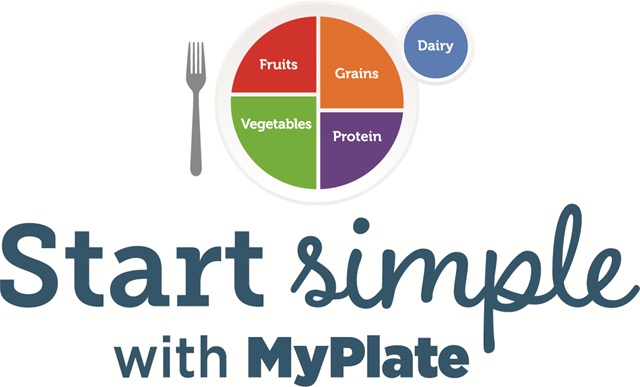
All of these diets include proteins, carbohydrates, and fats within the recommended macronutrient ranges. Macronutrients are important for energy, hormone production, and overall body function, so it’s important to include all food groups. Using My Plate (Download E-Book Here) is a helpful way to make sure your diet is balanced.
John decided to follow the Mediterranean diet because it best suited his needs. Since he often ate out, the fish, poultry, and egg options gave him the flexibility he wanted.
The Mediterranean diet focuses on plants but allows fish, poultry, and dairy. Red meat is eaten occasionally. It offers helpful plant compounds, such as antioxidants and phytonutrients, along with fiber and water. It’s low in saturated fats, trans fats, cholesterol, sodium, added sugars, ultra-processed foods, and red and processed meats.
He planned his meals using My Plate guidelines. He filled half of his plate with non-starchy vegetables in green, red, yellow, orange, and purple—each color offering different health benefits. The other half was split between protein and starchy vegetables. His protein came from fish, poultry, legumes, eggs, nuts, and seeds. He kept red meat to 4 ounces a week and avoided processed meats. The last section of his plate included grains such as brown rice, whole-grain pasta, or whole-grain bread, or starchy veggies like half a potato or corn. He ate a bowl of fruit for dessert. Fermented foods such as yogurt, cheeses, sauerkraut, and kimchi, plus plenty of herbs and spices, added flavor without extra salt or sugar. These fermented foods also helped his good gut bacteria, which support the whole body. When he got hungry in the afternoon, he snacked on a handful of nuts.
After a few weeks of eating for health, John felt more energetic and his mood improved. His taste buds changed, and he started craving healthier foods. He looked forward to his next doctor’s visit, confident his Hemoglobin A1c and lipid profile would have improved.
What has worked for you in creating healthy eating habits.
Please share your experiences below

Happy Daylight Saving Time.
Sleep Awareness Month starts with daylight saving time, when most Americans lose an hour of sleep. This month aims to celebrate the benefits of good sleep, raise awareness about sleep problems, and encourage the prevention and treatment of sleep disorders. More than 70 million Americans face chronic sleep issues. Unfortunately, being tired has become a badge of honor, seen as a sign of hard work and dedication.
Sleep is beneficial to our health.
- It strengthens the immune system,
- Helps repair tissue damage
- Promotes cardiac health. Lack of sleep is a risk factor for cardiovascular problems, including high blood pressure, heart attack, stroke, and heart disease.
- Contributes to better metabolism, including blood pressure regulation. Deep sleep helps the cells respond to insulin. Those with poor sleep have an increased risk of Type 2 diabetes.
- Sleep clears waste from the brain and improves brain function. Good sleep improves concentration, learning, and logical reasoning.
Most adults need 7 to 9 hours of sleep each night. Children need more:
Ages 5 and younger need 10 to 16 hours.
Ages 6 -12 need 9 to 12 hours.
Ages 13-18 need 8 to 10 hours.
Losing sleep is a serious safety risk. Feeling drowsy slows your reaction time just as much as driving drunk. Fatigue causes about 100,000 car crashes and 1,550 deaths each year in the US. Poor sleep reduces attention, alertness, concentration, and problem-solving skills, making it harder to think and learn.
How to improve your sleep:
- Eat well — don’t go to bed hungry or stuffed. Include fruits, vegetables, whole grains, legumes, nuts, seeds, fermented foods, and healthy oils like extra-virgin olive oil and Omega-3s to support your gut microbiome. A diverse gut microbiome usually means better sleep. The good gut bacteria help produce chemicals like serotonin, GABA, melatonin, and tryptophan that can improve sleep. Be careful with nicotine, caffeine, and alcohol since their stimulating effects can last for hours. Alcohol might make you sleepy at first, but it can disturb your sleep later.
- Regular exercise can help you sleep better. Spending time outside every day also makes a difference.
- Limit daytime naps to under an hour.
- Create a calm sleep space. Keep your room cool, dark, and quiet. Avoid screens that emit light for at least an hour before bed. Try calming activities like a warm bath or relaxation exercises before sleeping.
- Manage your worries. I use a meditation where you imagine leaving your worries on the front porch when you come inside. Don’t worry, no one will take them. Take time to calm your mind.
Find what works best for you to improve your sleep. It’s great for your health!
Staying Mentally Fit
March is Wellness Month in Palo Pinto County.
So, let’s begin by focusing on staying mentally fit as we explore overall wellness. Through my coaching training, I became a Three-Principles Facilitator. The Three Principles—Universal Mind, Thought, and Consciousness are psychological principles that shape how we see the world around us. In this day of unprecedented events, our thoughts (often negative) whirl through our heads like a snow globe gone wild, creating constant stress. The stress response is important for us to flee from danger or be prepared to fight. It is only designed to be activated for about 30 minutes every 2-3 days. Constant activation wears down the body and mental state. It is a risk factor for most chronic diseases and can trigger anxiety and even depression. The components of the Three Principles are Universal Mind, Thoughts, and Consciousness.
Universal Mind
Today was a peaceful day. I sat by the riverbank, listening to the wind in the trees, the crows cawing, and a flock of wild geese flying overhead. As I took in the beauty of nature, I felt a warm, peaceful, loving sensation. My mind calmed from daily stress, and I connected to a place where wisdom, insight, peace, well-being, joy, and creativity live.
When God created us, he gave us a spiritual connection called the Universal Mind. It’s our inner guide to the wisdom of the Universe. Let the mind become quiet and look for a warm, peaceful feeling. That’s when answers to worries and problems come, creativity flows, and peace of mind grows. We all have access to it. It is our default setting.
Thought
From birth, we’re given the gift of thought. A constant stream of thoughts runs through our heads, all day, every day. Some are happy, some are sad, some are angry, and some are even wicked. They flow like the ticker tape on a news channel. Every thought carries a feeling. We create these thoughts, but don’t control the creation. Our sad thoughts create sad feelings. Angry thoughts evoke the feeling of anger. Happy thoughts bring happiness. We have about 70,000 thoughts a day, so most pass unnoticed unless we focus on them. Thoughts only have power if we give them power. Without our attention, they’re harmless. Remember, our thoughts shape our feelings 100% of the time. Feelings act like rumble strips on the road, warning us about our thinking. If we constantly focus on negative thoughts, then it can lead to depression or anxiety. There are great counselors in Mineral Wells who can help. Also, talk to your healthcare provider. Sometimes medication that boosts serotonin can improve well-being.
Consciousness
This is our ability to be aware of reality through our five senses, as shaped by our thoughts. For example, I used to have a 30-minute commute to work through the country. When I was present in the moment, I noticed the countryside around me, the ducks on the pond, and the wild hogs by the side of the road. When I was in my head, lost in thoughts, I don’t even remember the drive.
These three principles work together to shape our experience. Our experience doesn’t come from our past, personality, other people, or circumstances. The experience of every moment comes from within. How you use your thoughts creates the experience you have.
Be sure to share your experiences in staying mentally fit, below

Healthy Habit 8: Hormone Harmony
Your hormones tell the story of balance inside your body. This section explores how those signals shift through midlife and how to work with them, not against them, using movement, nutrition, and stress reduction to find steady ground again.
Many conversations focus on Female Hormones, but Male hormones play an important part in Healthy Lifestyles also
Hormones are your body’s messengers. They influence energy, mood, weight, sleep, libido, temperature regulation, and more. As we age, hormonal shifts are natural, but that doesn’t mean we’re powerless in how we respond to them.
The transition through midlife, especially during perimenopause and andropause, can bring significant changes. These aren’t just about reproduction; they affect every system in the body. The key is learning to work with your changing body rather than fight it.
Understanding the Shifts
For women, estrogen, progesterone, and testosterone fluctuate during perimenopause and decline after menopause. This can impact:
- Mood and memory
- Sleep and hot flashes.
- Weight distribution and metabolism
- Skin and joint comfort
- Bone density and libido
For men, testosterone often declines gradually starting in midlife. This may influence:
- Energy and motivation
- Muscle mass and strength
- Sexual function and mood
- Fatigue and sleep quality
Everyone’s experience is unique. Some changes are mild; others may be disruptive. The good news is that many lifestyle factors can support hormonal balance.
Lifestyle and Food Choices That Help
- Eat the right amount of protein and healthy fats to support hormone production.
- Manage stress, which can suppress key hormones like testosterone and progesterone.
- Move regularly, including strength training and gentle cardio.
- Prioritize sleep, which regulates hormonal rhythms.
- Reduce sugar and alcohol, which can cause fluctuations and inflammation.
- Include fiber and cruciferous vegetables to support hormone detox pathways.
When to Explore Testing or HRT Options
If lifestyle shifts aren’t enough, it’s worth discussing your symptoms with a healthcare provider trained in midlife hormone health. They may suggest:
- Blood or saliva testing
- Bioidentical hormone replacement therapy (HRT)
- Herbal or natural supplements to ease symptoms.
- Thyroid or adrenal function testing, which often overlap with midlife changes.
The goal is to alleviate discomfort and restore balance, allowing you to function and feel your best as you age. Aging is inevitable, but being miserable and in pain is not.
Hormonal changes are not a flaw in the system; they’re part of the natural evolution of the body. When you support your hormones instead of fearing them, you allow yourself to move through midlife with power, grace, and clarity.
Reflection:
Notice patterns in your mood, energy, and sleep this week. Do they align with your stress levels, diet, or movement? Awareness is the first step toward Hormonal balance.
Have you managed your Hormone Harmony well, as we have aged?
Share your experience below.