
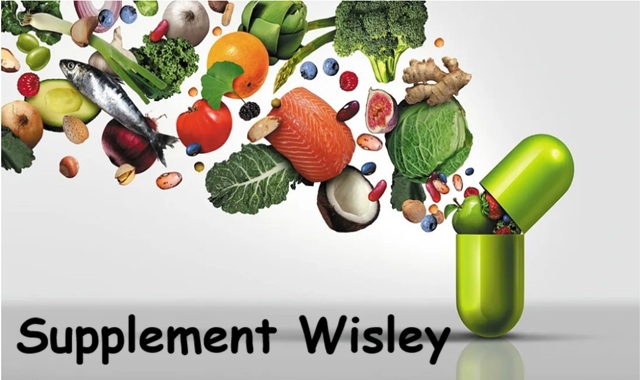
Healthy Habit 7: Supplementing Wisely for the Aging Body
Sometimes even the best diet needs backup. This habit helps you make sense of supplements, what’s worth considering, what to skip, and how to use nutrients intelligently to fill in the gaps your body develops over time.
As you move through midlife and into the senior years, your body’s ability to absorb and produce certain nutrients naturally changes. Digestion may slow, and nutrient absorption becomes less efficient than it once was. This is where supplements can play a supportive role, but they aren’t a magic fix or a one-size-fits-all solution. More is not always better.
Supplements should complement your healthy lifestyle, not replace it. Whole foods, movement, and stress management remain the foundation of well-being. Still, for many people over 55, thoughtful supplementation bridges nutritional gaps, supports energy levels, and enhances overall resilience.
What Changes with Nutrient Absorption?
As your body changes, so does its ability to handle key nutrients. For many, stomach acid production naturally declines with age, making it more difficult to absorb vitamins and minerals such as B12, iron, calcium, and magnesium. Hormonal shifts can also affect how your body uses calcium and vitamin D, two nutrients essential for bone health and overall vitality.
Certain medications, such as acid reducers or blood pressure medications, may further interfere with nutrient absorption or increase the need for specific minerals. Even small dietary shifts, such as reducing your intake of red meat or dairy, can lower your consumption of essential micronutrients.
This is why personalized nutrition becomes more important over time. Understanding what your body needs and where it may require extra support, you make informed, intentional choices.
Smart Supplements to Consider (With Medical Guidance)
Every body is unique, and supplement needs vary based on your diet, health history, and lab results. Always check with your healthcare provider before adding anything new. With that said, certain supplements are commonly helpful for adults over 45.
Vitamin D3 supports bone health, immune function, and mood, especially for those who spend limited time in sunlight. Magnesium calms the nervous system, promotes better sleep, and eases muscle tension. Omega-3 fatty acids (EPA and DHA) help reduce inflammation and support brain, heart, and joint health.
Vitamin B12 becomes more difficult to absorb with age, yet it’s essential for energy production and cognitive clarity. Collagen or protein powders can help support joint health, skin elasticity, and muscle repair, especially when combined with resistance training. And probiotics may improve digestion and immune function by maintaining a healthy balance of gut bacteria.
Other supportive additions may include Calcium for bone density, Turmeric and curcumin for inflammation, and adaptogenic herbs such as Ashwagandha and Rhodiola for stress resilience and energy balance.
The key is personalization. Your supplement routine should be tailored to your unique needs, rather than relying on a generic checklist or marketing claims.
Tips for Choosing Quality Supplements
With numerous products available, choosing wisely is crucial. Look for third-party testing from reputable organizations, such as NSF, USP, or ConsumerLab, to ensure quality and purity. Choose reputable brands that are transparent about their sourcing, manufacturing practices, and ingredient lists.
Be cautious of supplements that promise miracle results or include long lists of ingredients in undisclosed amounts. Avoid unnecessary additives such as artificial colors, fillers, and synthetic preservatives whenever possible.
Storage conditions matter — Many vitamins degrade with excess heat, light exposure, or humidity over time. Check labels for recommended storage (e.g., a cool, dry place) and expiration dates to maximize potency during use.
A high-quality supplement should feel like gentle, steady support for your body, not an overwhelming mix of promises or confusion.
Supplements as Support, Not Substitutes
Remember, supplements are just that, supplemental. They work best as part of a balanced approach that includes nourishing foods, regular physical activity, adequate sleep, and stress management.
When chosen wisely and used intentionally, supplements can help your body adapt to change more effectively. They can support your energy, clarity, and resilience, helping you age with strength and ease.
Always approach supplementation as an act of care, guided by knowledge and compassion for your body’s evolving needs.
Try This Today:
Check your current supplements or vitamins.
Do you know why you take each one?
If not, jot down questions to ask your doctor.
Knowledge turns routine into self-care.





Great information. Thank you for providing this to our community and readers.
We appreciate your continued support, Pam.
Thanks for your comment
Once a day Multivitamins can also be helpful . Good information.,
Yes, Mercy, Once a Day Multivitamins should be on the normal regimen as we age. Looking at the total ingredients list is always helpful.
Thank you for your inout.