
Eating for Health.
After John’s heart attack, his doctor talked with him about eating for health and the diets that could lower his risk of another one. He recommended a whole-food, plant-based diet (plant-focused), a vegetarian diet (includes dairy and eggs), or a Mediterranean diet (includes fish, dairy, eggs, and poultry). Research shows all three meet most of the same nutritional goals. The whole-food, plant-based diet requires a B12 supplement. There is research supporting its role in improving heart disease and diabetes. The vegetarian and Mediterranean diet also benefits heart disease and diabetes. This plan is eaten in regions known for longevity. These dietary patterns also have a great nutritional profile.
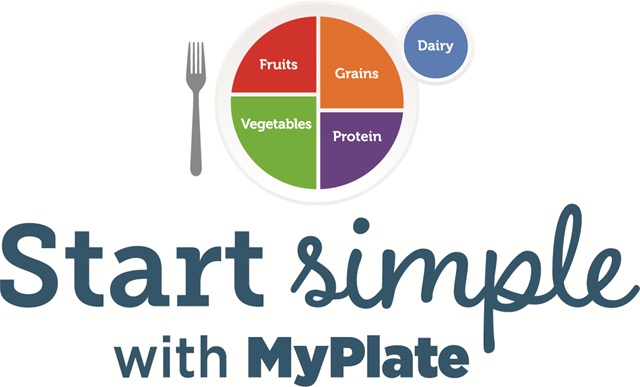
All of these diets include proteins, carbohydrates, and fats within the recommended macronutrient ranges. Macronutrients are important for energy, hormone production, and overall body function, so it’s important to include all food groups. Using My Plate (Download E-Book Here) is a helpful way to make sure your diet is balanced.
John decided to follow the Mediterranean diet because it best suited his needs. Since he often ate out, the fish, poultry, and egg options gave him the flexibility he wanted.
The Mediterranean diet focuses on plants but allows fish, poultry, and dairy. Red meat is eaten occasionally. It offers helpful plant compounds, such as antioxidants and phytonutrients, along with fiber and water. It’s low in saturated fats, trans fats, cholesterol, sodium, added sugars, ultra-processed foods, and red and processed meats.
He planned his meals using My Plate guidelines. He filled half of his plate with non-starchy vegetables in green, red, yellow, orange, and purple—each color offering different health benefits. The other half was split between protein and starchy vegetables. His protein came from fish, poultry, legumes, eggs, nuts, and seeds. He kept red meat to 4 ounces a week and avoided processed meats. The last section of his plate included grains such as brown rice, whole-grain pasta, or whole-grain bread, or starchy veggies like half a potato or corn. He ate a bowl of fruit for dessert. Fermented foods such as yogurt, cheeses, sauerkraut, and kimchi, plus plenty of herbs and spices, added flavor without extra salt or sugar. These fermented foods also helped his good gut bacteria, which support the whole body. When he got hungry in the afternoon, he snacked on a handful of nuts.
After a few weeks of eating for health, John felt more energetic and his mood improved. His taste buds changed, and he started craving healthier foods. He looked forward to his next doctor’s visit, confident his Hemoglobin A1c and lipid profile would have improved.
What has worked for you in creating healthy eating habits.
Please share your experiences below




You have Successfully Subscribed!