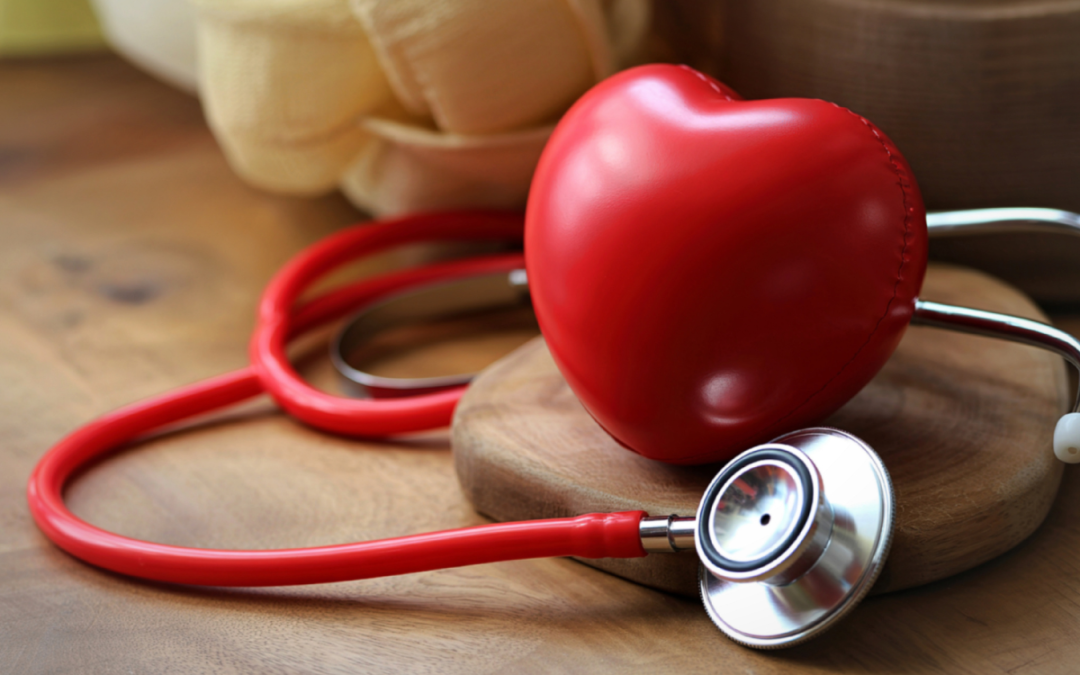
Let’s take a moment to learn about and appreciate your heart. Your heart is about the size of your fist and weighs roughly 10 ounces. It sits just behind and slightly to the left of your breastbone, in the center of your chest. It is protected by your breastbone and rib cage. The heart’s main job is to pump blood throughout your body. It removes the carbon dioxide waste product and picks up oxygen to deliver to the cells. The heart also works with your nervous system to control your heart rate, and your endocrine system to release hormones that tell your blood vessels when to constrict or relax.
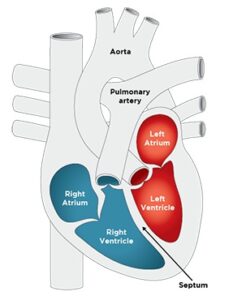
The heart’s strong walls squeeze and relax to pump blood through your body. A muscle layer called the septum divides the heart into left and right sides. The heart is also wrapped in a protective sac that makes fluid, which helps prevent it from rubbing against other organs. Your heart has four chambers: two on the top and two on the bottom.
Right atrium: Two large veins, the superior and inferior vena cava, bring oxygen-poor blood to the right atrium. From there, the right atrium pumps this blood to the right ventricle.
Right ventricle: This chamber sends oxygen-poor blood to your lungs through the pulmonary artery. In your lungs, carbon dioxide is removed, and the blood picks up fresh oxygen.
Left atrium: This chamber receives oxygen-rich blood from the pulmonary veins and pumps it into the left ventricle.
Left ventricle: This chamber is larger and stronger than the right ventricle. It pumps oxygen-rich blood to the rest of your body.
Heart valves are small flaps that open and close to let blood flow through your heart. They also make sure blood moves in the right direction.
The coronary arteries are the first branches off the aorta, supplying oxygen-rich blood to the heart muscle. Other arteries branch off the aorta to carry oxygen-rich blood to the rest of your body.
The heart has its own electrical system that controls the rhythm and speed of your heartbeats. The signals start at the top of the right atrium and travel down to the bottom of the ventricles.
The Heart Attack
If a coronary arteries become blocked, the heart is deprived of the oxygen-rich blood it needs to function properly. A partial blockage creates a condition known as angina. It is a short-lived pain or discomfort that occurs with increased demand, such as during exercise or extreme stress. This is a warning sign that a heart attack can happen. A heart attack is the death of the heart muscle. How bad it is depends on the location of the blockage and how much heart muscle the artery supplies.
For example:
John left work with bad indigestion. He tried taking antacids, but they didn’t help. Soon, the pain spread down his arm. Alone at home, he worried the ambulance would take too long, so he drove himself to the emergency room. He felt a bit dizzy while driving, and the dizziness got worse as he reached the ER parking lot. He remembers getting out of the car, but nothing after that. The switchboard operator, watching the parking lot camera, saw John pass out and quickly alerted the emergency room staff. The doctor and two nurses rushed out. John was in cardiac arrest, so they started CPR and put him on a stretcher to bring him inside. The heart monitor showed he was in ventricular fibrillation, meaning his heart was quivering instead of pumping blood. They used a defibrillator, but his heart rhythm didn’t change. After giving him epinephrine and using the defibrillator again, his heart finally returned to a normal rhythm. The EKG showed he was having a heart attack. John was stabilized and sent to a larger hospital for advanced care. Doctors found that his main coronary artery, which supplies blood to the left side of his heart, was blocked, so they performed a procedure to restore blood flow.
John was very fortunate that day.
Many people ignore or deny heart attack symptoms for about two hours before calling 911. Most cardiac arrests happen during this time.
John managed to reach the hospital before passing out, and the switchboard operator noticed when he collapsed in the parking lot. When the heart doesn’t get enough oxygen, dangerous heart rhythms can happen. If this had happened while he was driving, he could have crashed.
If John had called 911, the ambulance team would have brought oxygen, medicine, and equipment to lower his risk of cardiac arrest.
Signs and symptoms of a heart attack include:
Chest pain or discomfort that feels like crushing, squeezing, heaviness, or even bad indigestion.
Pain in the neck, arm, jaw, or back.
Shortness of breath.
Sweating, nausea, or feeling lightheaded.
If you notice any of these symptoms, call 911 right away.
And remember, typically, in men, symptoms of a heart attack include chest pain or discomfort, arm, neck, jaw, or back pain, shortness of breath, sweating, nausea, or lightheadedness. Women may or may not have these symptoms. They may experience tiredness that won’t go away or feels excessive, anxiety, dizziness, palpitations. Many women attribute these symptoms to less life-threatening conditions such as acid reflux, the flu, or normal aging.
Please share this article with your friends,
and comment below to share any personal experiences
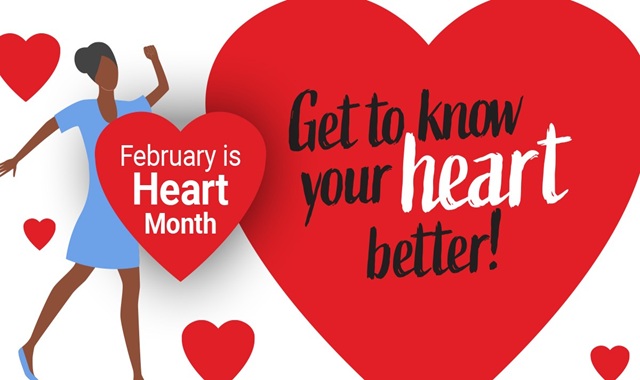
February is Love Your Heart Month. Friday, February 6th, is Wear Red for Women and Heart Disease Day! Over 60 million women in the United States are living with some form of heart disease. It is the Number 1 killer of women in the United States.
Heart disease affects women of all ages. Addressing heart health at every life stage can improve the quality of life and overall health. In the United States, Black women have a higher prevalence and morbidity from cardiovascular disease than non-Black women do. Women have a lower risk of heart disease until after menopause due to estrogen protection; however, Women in their 30s can have serious blockages. Especially if they have a history of diabetes, obesity, polycystic ovarian syndrome, smoking, increased stress, or family history.
According to the American Heart Association, one of the biggest discoveries in the past 10 years is the link between pregnancy complications and heart disease and stroke risk. Now we know that if a woman has gestational diabetes, hypertension, preeclampsia, or eclampsia during pregnancy, that they are a greater risk of developing cardiovascular disease later in life.
Typically, in men, symptoms of a heart attack include chest pain or discomfort, arm, neck, jaw, or back pain, shortness of breath, sweating, nausea, or lightheadedness. Women may or may not have these symptoms. They may experience tiredness that won’t go away or feels excessive, anxiety, dizziness, palpitations. Many women attribute these symptoms to less life-threatening conditions such as acid reflux, the flu, or normal aging.
Lifestyle factors that decrease risk include:
Don’t smoke. Just one year after you quit, you will cut your risk of coronary heart disease by 50%
Eat a heart-healthy diet, such as the DASH or Mediterranean diet, that includes fruits, vegetables, legumes, lean proteins, whole grains, low-fat dairy, and nuts and seeds. Decrease sodium intake to less than 2,300 mg per day (1 teaspoon). Fresh (not canned) fruits and vegetables are low in sodium and aren’t counted in the 2,300 mg.
Engage in moderate intensity exercise for 30 minutes a day.
Carve out time every day to decrease your stress. Get 7 to 8 hours of good quality sleep.
Talk with your provider about your risk of cardiovascular disease and how you can lower it.
The risk of heart disease for women increases significantly after age 40, often rising after menopause due to the loss of estrogen’s protective effects.
Older women are more likely to suffer from heart failure with preserved ejection fraction (HFpEF), or diastolic heart failure.
Take a few minutes and watch this informative Video
Be sure to share your experiences in the comment section
and also share this page with your friends.
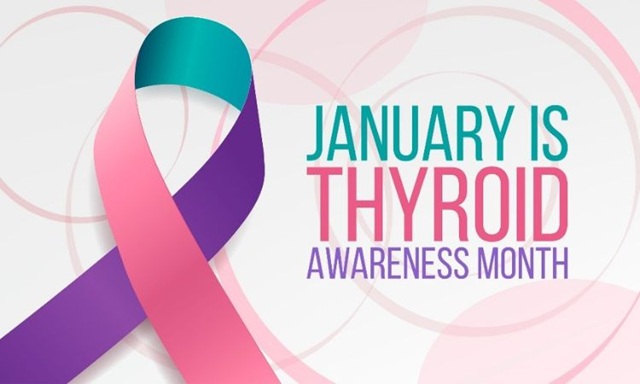
Thyroid Awareness Month, in January, is a global campaign dedicated to educating the public about the often-overlooked butterfly-shaped gland, which regulates metabolism, heart rate, and temperature. With 20 million Americans affected by thyroid disease, many undiagnosed, the 2026 initiative emphasizes early detection, symptom awareness, and screenings to combat rising thyroid disorder rates.
Susan visited her doctor because she felt tired all the time and was feeling down. She had trouble thinking clearly, felt cold often, and noticed she was gaining weight.
Joan went to her doctor because she was losing weight even though she was always hungry. She was feeling more anxious and irritable, her heart was beating faster than usual, and she was having trouble sleeping.
Their doctor did a physical exam, which included feeling the thyroid to check for swelling or lumps, blood tests to look at thyroid function, and sometimes a thyroid scan to see if the gland was bigger or had any growths. Susan was diagnosed with hypothyroidism, while Joan was diagnosed with hyperthyroidism.
Around 20 million Americans (mostly women) have some type of thyroid disease. The thyroid is a butterfly-shaped organ about 2 inches wide located in the front of the neck. Its main function is to regulate the rate of metabolism and the way the body converts food into energy. The thyroid affects many body functions, including energy and metabolism, heart rate, breathing, digestion, body temperature, mental activity, skin and bone maintenance, and fertility. It also affects brain development in infants.
Here’s how thyroid hormones work: The hypothalamus in the brain releases a hormone that tells the pituitary gland to send out thyroid-stimulating hormone. This makes the thyroid release T4 and some T3. T4 and T3 are important for controlling how the body works. T4 is not active at first. Organs such as the liver and kidneys convert T4 to T3. The thyroid also makes calcitonin, which helps control the body’s calcium levels. The thyroid needs iodine to work well. We get iodine from foods like eggs, dairy, iodized salt, cod, haddock, sea bass, salmon, shrimp, and oysters. Sea salt is not a good source of iodine. Most adults need about 150 mcg per day.
The key to the treatment of thyroid problems, whether low or high, is to regulate the thyroid hormone to a normal level. Medication is used to accomplish this. Sometimes, in hyperthyroidism, medicine may not help, and surgery or radioactive iodine treatment may be needed.
Being Aware of Thyroid function is important to your health.
Talk with your healthcare provider about screening. Screening is generally for those with symptoms (fatigue, weight changes, anxiety, tremors) or risk factors, not for the general asymptomatic population
Palo Pinto General Hospital will have internal medicine specialist and endocrinologist Hector Castro joining our team in the spring.
Share your THYROID experiences in the comment section below
Steve was sick. He had body aches, a runny nose, and a cough along with a 102-degree fever, chills, and extreme weakness. He went to his doctor and was diagnosed with Influenza A. Steve didn’t believe in flu shots, so he never took one. “Oh, the flu is just an inconvenience. I will be back to normal in a week.” A week later, he landed in the ICU with a heart attack.
Is it related? Yes! The flu that Steve had, Influenza A, affects more than the respiratory system. It triggers a powerful inflammatory response that sends the immune system into overdrive. The heart rate is elevated, increasing the energy demands, and blood platelets are activated, increasing blood clot formation. Fever worsens the energy demands, and dehydration adds further strain, increasing the risk of a cardiac event.
Seasonal influenza hits Senior Citizens every year, and most of us blow it off. It is not in the top 10 causes of death in the US, but it is one of the most important factors that can contribute to other conditions, such as pneumonia, ear infections, sinus infections, and worsening of asthma, diabetes, and congestive heart failure. Data from the American Heart Association indicates that people are four times more likely to have a heart attack and five times more likely to have a stroke in the month after a confirmed influenza infection. It is important to monitor cardiovascular health during flu season.
Senior Citizens are significantly more susceptible to heart attacks after an Influenza A infection, with studies showing a drastically increased risk (up to six times higher) in the days and weeks following the flu, even in those without prior heart issues, due to the virus triggering intense inflammation and stress on the cardiovascular system. Older adults account for the majority of severe flu complications, and the risk of cardiac events, strokes, and death remains elevated for months post-infection, making annual vaccination crucial for this age group
It is always better to prevent than to treat.
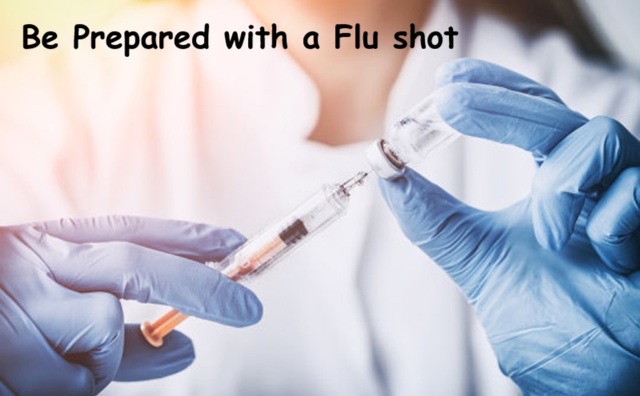
Influenza vaccination is recommended for most people aged 6 months and older. It is especially important for individuals with existing heart conditions. Studies have shown that flu vaccinations can reduce the risk of heart attacks and other serious cardiovascular events among those with heart disease.
December through March is the peak flu season! It is not too late to get your flu shot. It takes about 2 weeks after vaccination for antibodies to develop and provide protection. You may still get sick with the flu, but the vaccine reduces the severity and complications of the illness.
And remember, flu shots are generally free for senior citizens with Medicare covered 100% under Medicare Part B or Medicare Advantage (Part C) plans, as long as you see a provider who accepts Medicare and is in-network for Medicare Advantage
Winnie has experienced fatigue, irritability, increased thirst, and urination lately. She was known for her amazing baked goods. During the holidays, everyone gathered at her house for delicious meals, including cakes, pies, and other delicacies. She found that when she was sad or stressed, eating something sweet made her feel better. Eating sugar and other refined carbohydrates releases dopamine in the brain. This is the pleasure hormone. The more that is released, the more pleasure you experience. As your dopamine levels drop, you start craving more simple carbohydrates to boost them, creating a feedback loop.
According to psychologist Amy Johnson, when you feel bad, you will do anything to make yourself feel better. Some of these actions are not the healthiest choices we could make, but we do the best we can, given the knowledge and our thinking at that moment. When we know better, we do better. Winnie had been using a highly refined carbohydrate diet as a coping mechanism.
Winnie’s foot became red, hot, and swollen about a week before Christmas. She was too busy to deal with it, but soon it became so painful she couldn’t get her shoe on. She went to see her doctor, who ran tests and informed her that she had diabetes. Her blood sugar was 350. He informed her that this elevated sugar was not a sudden onset; she had been progressing to diabetes over time. If she did not do something about it, she would lose her foot. He put her on insulin and an oral medication and gave her a diet to follow. He reassured her that if she changed her lifestyle, then her diabetes would improve. Now she knew better!
She changed her diet to focus on lean meats, vegetables, legumes, and nuts. She allowed herself 1 or 2 servings of a whole grain a day. If she wanted something sweet, she would have a piece of fruit. She increased her activity through walking and gardening. She managed her stress through crocheting beautiful lace projects.
Soon, her infection cleared, her outlook brightened, and she lost significant weight. After a year, she was off her insulin and managed her diabetes with one pill a day and her new lifestyle.
As we move from 2025 to 2026, let’s be like Winnie. Most chronic health problems can be prevented, managed, and improved through lifestyle tweaks. Palo Pinto General Hospital has resources such as nutrition education and lifestyle coaching to help you. Discuss these with your provider.
Palo Pinto County has been a Rural Health Champion of the NRHA since 1970, when Palo Pinto General Hospital and its associated hospital district were established.
In 1992, Carla Hay and Glenda Pruitt established a rural health clinic in southern Palo Pinto County. Harold Burgett transformed an old feed store in Gordon, Texas, into a doctor’s office. Palo Pinto General Hospital (PPGH) rented this space for a home health office. They offered the front area for the clinic. Funding for the clinic was provided by a Rural Health Initiatives grant. The Palo Pinto Rural Health Clinic opened in 1993. In 1995, PPGH purchased the clinic. Carla served as the nurse practitioner there, while Glenda went on to establish the West Town Clinic and Possum Kingdom Rural Health Clinic.
Currently, PPGH operates 5 rural health clinics. We have two pediatricians, two family physicians, and 14 excellent nurse practitioners. There are also several nurse practitioners (NPs) in private practice in Mineral Wells.
Nurse Practitioners are registered nurses (RNs) who have completed advanced training through a master’s or doctoral program. The curriculum is established by the State Board of Nursing. In Palo Pinto County, the practitioners are Family Nurse Practitioners. The curriculum includes advanced assessment, advanced pathophysiology, advanced pharmacology, primary care for families, pediatric and adolescent care, psychiatry, women’s health, and prevention and population health.
They are required to have a minimum of 500 clinical hours under the direct supervision of a nurse practitioner or physician. They are trained to assess, diagnose, and treat a wide range of conditions, order laboratory and X-ray tests, interpret results, and prescribe medications. The Nurse Practitioner must pass a national board certification examination in their specialty before obtaining a license from the State Board of Nursing.
Nurse Practitioners practice independently in 27 states. In Texas, NPs must establish a collaborative agreement with a physician to gain prescriptive authority. These physicians play a crucial role, providing consultation on complex patient cases and reviewing a percentage of charts to ensure quality and uphold evidence-based practices.
NPs provide patient-centered care with a strong emphasis on health education, preventative care, and a holistic approach to wellness, which leads to better health outcomes and higher patient satisfaction. They are skilled collaborators who work with their supervising physician and other healthcare professionals to create comprehensive treatment plans and are truly a valuable asset to Rural Health.
We have three doctors retiring from practice, which affects many of our seniors. We are increasingly utilizing nurse practitioners. Many seniors are reluctant to use NPs as their providers. Hopefully, this will reassure that Nurse Practitioners are competent providers.
 right atrium pumps this blood to the right ventricle.

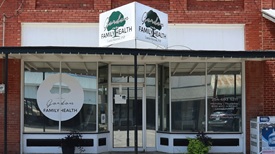 Harold Burgett transformed an old feed store in Gordon, Texas, into a doctor’s office. Palo Pinto General Hospital (PPGH) rented this space for a home health office. They offered the front area for the clinic. Funding for the clinic was provided by a Rural Health Initiatives grant. The Palo Pinto Rural Health Clinic opened in 1993. In 1995, PPGH purchased the clinic. Carla served as the nurse practitioner there, while Glenda went on to establish the West Town Clinic and Possum Kingdom Rural Health Clinic.