
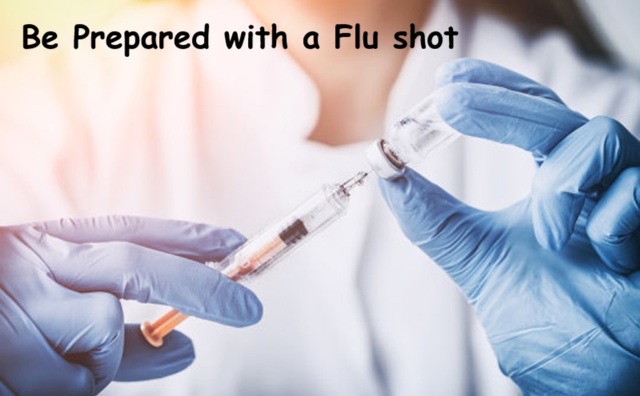
FLU SHOTS CAN PREVENT HEART ATTACKS
IT IS NOT TOO LATE TO GET YOURS
Steve was sick. He had body aches, a runny nose, and a cough along with a 102-degree fever, chills, and extreme weakness. He went to his doctor and was diagnosed with Influenza A. Steve didn’t believe in flu shots, so he never took one. “Oh, the flu is just an inconvenience. I will be back to normal in a week.” A week later, he landed in the ICU with a heart attack.
Is it related? Yes! The flu that Steve had, Influenza A, affects more than the respiratory system. It triggers a powerful inflammatory response that sends the immune system into overdrive. The heart rate is elevated, increasing the energy demands, and blood platelets are activated, increasing blood clot formation. Fever worsens the energy demands, and dehydration adds further strain, increasing the risk of a cardiac event.
Seasonal influenza hits Senior Citizens every year, and most of us blow it off. It is not in the top 10 causes of death in the US, but it is one of the most important factors that can contribute to other conditions, such as pneumonia, ear infections, sinus infections, and worsening of asthma, diabetes, and congestive heart failure. Data from the American Heart Association indicates that people are four times more likely to have a heart attack and five times more likely to have a stroke in the month after a confirmed influenza infection. It is important to monitor cardiovascular health during flu season.
Senior Citizens are significantly more susceptible to heart attacks after an Influenza A infection, with studies showing a drastically increased risk (up to six times higher) in the days and weeks following the flu, even in those without prior heart issues, due to the virus triggering intense inflammation and stress on the cardiovascular system. Older adults account for the majority of severe flu complications, and the risk of cardiac events, strokes, and death remains elevated for months post-infection, making annual vaccination crucial for this age group
It is always better to prevent than to treat.
Influenza vaccination is recommended for most people aged 6 months and older. It is especially important for individuals with existing heart conditions. Studies have shown that flu vaccinations can reduce the risk of heart attacks and other serious cardiovascular events among those with heart disease.
December through March is the peak flu season! It is not too late to get your flu shot. It takes about 2 weeks after vaccination for antibodies to develop and provide protection. You may still get sick with the flu, but the vaccine reduces the severity and complications of the illness.
And remember, flu shots are generally free for senior citizens with Medicare covered 100% under Medicare Part B or Medicare Advantage (Part C) plans, as long as you see a provider who accepts Medicare and is in-network for Medicare Advantage
Another Health Tip from: Carla Hay-Perdue
Share your thoughts and experiences
in the comment section below




You have Successfully Subscribed!