

Healthy Habits 1: Start with Strength, which is the Foundation of Movement
Strength is the root of vitality. It’s the quiet power that lets you stay independent, capable, and confident as the years unfold. In this first Healthy Habits, you’ll explore how building and maintaining muscle protects every system of your body, from balance and metabolism to brain health.
If there’s one thing that predicts long-term independence and vitality, it’s strength. Muscle mass lets you live well longer.
After age 30, you naturally lose muscle unless you intentionally maintain or build it. This process, called sarcopenia, accelerates with age and leads to weakness, instability, and fatigue. But it doesn’t have to. Strength is one of the most trainable aspects of your health, even in your 70s, 80s, and beyond.
Why Strength Matters After 45
Strength is more than just power. It’s a vital form of protection, especially as you age. As you approach and pass the age of 45, maintaining strength becomes increasingly important for your overall well-being. One of the key benefits of strength is its role in supporting your joints and posture. A strong body stabilizes your joints, reducing the risk of wear and tear that leads to discomfort and injury. This support is crucial for maintaining mobility and independence as you age.
Strength Prevents Falls and Injury
Another significant advantage of strength is its ability to prevent falls and injuries. As you grow older, the risk of falling increases, which leads to serious injuries. Strength training improves your balance and coordination, making it less likely that you will lose your footing or be unable to catch yourself if you do. This not only keeps you safer but also boosts your confidence in performing daily activities.
Strength Regulates Blood Sugar and Metabolism
Strength plays a pivotal role in regulating your blood sugar and metabolism. Muscle is an active tissue that constantly burns energy, even at rest. This metabolic activity regulates blood sugar levels, reducing the risk of conditions like diabetes. A stable metabolism is also essential for maintaining a healthy weight, which in turn supports your overall health and vitality.
Strength Improves Quality of Life
Strength is not just about physical prowess. It’s about the quality of your life. It allows you to carry out everyday tasks with ease, whether it’s lifting groceries, climbing stairs, or playing with your grandchildren. These activities, while simple, become more challenging as you age, and maintaining strength ensures that you can continue to enjoy them without limitations.
Strength Balance Your Hormones
Beyond the physical benefits, muscles also play a crucial role in hormone balance. This balance is vital for your overall well-being and impacts everything from energy levels to mood. Additionally, research shows that muscle health is linked to better brain function, suggesting that staying strong supports your cognitive health as you age.
Strength is a cornerstone of healthy aging. It provides protection, enhances your physical capabilities, supports metabolic health, and contributes to your overall well-being. As you move through life, prioritizing strength is not just about looking good; it’s about feeling good, living well, and enjoying every moment to the fullest.
What Counts as Strength-Building?
When it comes to building strength, you don’t need to lift heavy weights or join a gym. What really matters is resistance, anything that makes your muscles work harder than usual, including a variety of activities that you might already be doing or can easily incorporate into your daily life.
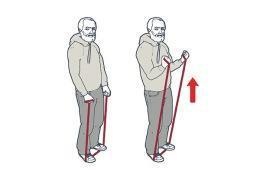
Simple Resistance Exercise
For instance, bodyweight movements like squats, wall push-ups, and lunges are effective ways to start. You can also use resistance bands, which are portable and versatile. If you prefer, you can use light hand weights or even household items, such as water bottles or cans of food. Another option is chair-based or low-impact strength routines, which are gentle on your joints. Even functional tasks, such as gardening, lifting laundry, or climbing stairs, can contribute to building strength.
The key to effective strength training is progressive challenges by gradually increasing the intensity or the number of repetitions over time to maintain or build strength. By consistently challenging your muscles, you’ll see improvements in your overall strength and fitness.
Building a sustainable routine is all about starting small and being consistent. Aim for two to three sessions per week of full-body strength training. Even just 10 to 20 minutes per session can make a noticeable difference, especially when you’re just beginning. Focus on consistency over intensity, ensuring you perform each exercise with a full range of motion. Remember to take rest days between sessions to allow your muscles to recover and grow stronger.
Proper form is crucial to prevent injury, so take the time to learn and practice the correct techniques. Make strength training a part of your lifestyle rather than a chore. You can pair it with music, do it with a friend, or set up a routine while listening to your favorite podcast. By making it enjoyable, you’re more likely to stick with it and reap the long-term benefits of a stronger, healthier you.
The Healthy Habit of building Strength is your foundation. It’s what lets you move with confidence, carry yourself with dignity, and stay active doing what you love. Building strength doesn’t require becoming a bodybuilder. You just need to stay capable of living the life you want to live.
Try THIS Today:
Choose one strength movement, such as squats, wall push-ups, or lifting grocery bags, and perform it with full attention to form. Notice how your body feels when you finish. Strength begins with showing up.




After surgery, my activities had to be limited. I chose to include more walking, but with a purpose. I drive my jeep with a small trailer attached to a section of country road, and using a grabber stick and plastic shopping bags, I carefully park and begin picking up trash. I work a 2-block section at a time. As I drive to the next section, I take a water break and sit for 15 minutes before working another 2-block section.
This benefits me by walking, occasionally bending or squatting, and getting familiar with a tool that I undoubtedly will need a lot later in life. It also improves my spirit because I am helping my community.
Thank you for sharing that, Connie.