
Healthy Habit 11, Emotional Wellness and Inner Strength

Healthy Habit 11, Emotional Wellness and Inner Strength

Habit 11: Emotional Wellness & Inner Strength

Every phase of life reshapes who you are. In this section, you’ll learn how emotional wellness helps you adapt, grieve, grow, and rediscover purpose. Here, strength turns inward, and wisdom takes the lead.
Aging brings inevitable transitions, some welcome and others difficult. Children grow up. Parents decline. Relationships evolve. Bodies change. Careers shift. With these transitions come opportunities to deepen emotional resilience and reconnect with a sense of meaning.
Emotional wellness requires building the strength to face change, process emotion, and stay grounded in who you are, even when everything around you is shifting.

Processing Change in Midlife and Beyond

Midlife often brings a reevaluation of identity. You may ask:
• Who am I when I’m not defined by work or caregiving roles?
• What parts of my life have I outgrown?
• What truly matters now?
These questions are not crises; they’re invitations. Processing the answers takes courage, time, and support.

Give yourself permission to grieve, reflect, release, and reimagine.

Mindset Practices That Build Adaptability

1. Self-compassion: Speak to yourself like you would to a beloved friend.
2. Reframing: Shift from “this is the end” to “this is a turning point”
3. Gratitude: Focus on what’s present, not just what’s missing
4. Boundaries: Protect your energy and peace
5. Curiosity: Explore your feelings instead of suppressing them
Mindset work doesn’t erase hard feelings; it gives them context and clarity.

The Role of Joy, Purpose, and Connection

• Joy is a nervous system reset. It doesn’t need to be big, small daily pleasures count.
• Purpose gives structure and meaning to your days, whether through work, caregiving, creativity, or service.
• Connection reminds you that you’re not alone. Strong relationships are linked to a longer lifespan and better health.
Make time for laughter, art, music, nature, and companionship. These aren’t distractions from wellness; they’re central to it.
Emotional resilience requires learning to move through change with grace, grit, and a sense of self that deepens over time. The stronger your inner world, the more ease you’ll find in navigating your outer one.

Try This Today:
Reach out to one person who lifts you or write in your journal about someone who has had a positive impact on you. Connection and gratitude are quiet acts of resilience.


HAVE YOU APPLIED ANY OF THESE SUGGESTIONS TO HELP YOUR EMOTIONAL WELLNESS
COMMENT BELOW

Comment


Healthy Habit 10, Rest and Recovery

Healthy Habit 10, Rest and Recovery

Habit 10: Rest and Recovery Is The Often-Missing Piece

Even progress needs pauses. This habit reminds you that rest and recovery isn’t laziness; it’s how the body repairs and grows stronger. Let’s explore the different kinds of rest your mind and body crave, and how to weave them into daily life without guilt.

In a culture that glorifies hustle, rest is often viewed as a sign of weakness. But as we age, the need for intentional rest and recovery becomes non-negotiable. Without it, progress stalls, energy fades, and the risk of injury or burnout rises.

Rest, far from wasteful, is regenerative! It’s the space where the body repairs, the mind integrates, and the nervous system resets.

Why Overdoing It Backfires After 55

The body’s recovery processes naturally slow with age. Hormonal shifts, inflammation, and accumulated stress all make it harder to bounce back from intense workouts, busy schedules, or chronic overcommitment.

Ignoring the need for recovery can lead to:

  • Increased fatigue or brain fog
  • Persistent soreness or injuries
  • Hormonal imbalance and sleep disruption
  • Mood swings and burnout

Rest is preparation for your next phase of growth. You need it as much as anything else in life.

Forms of Rest That Support Aging Well

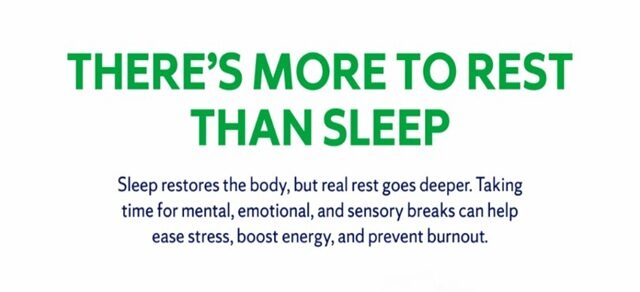
Not all rest is sleep. There are multiple types of rest, all of which play a role in healthy aging:

  • Physical rest: Sleep, naps, stretching, massage
  • Mental rest: Screen breaks, nature time, silence
  • Emotional rest: Journaling, therapy, saying “no”
  • Social rest: Boundaries, solitude, quiet friendships
  • Creative rest: Beauty, music, spaciousness, inspiration

Integrating rest and recovery into your daily rhythm allows your energy to sustain, not just spike and crash.

Restorative Practices to Explore

  • Active recovery days: Gentle walking, yoga, or foam rolling
  • Non-sleep deep rest: Guided meditation, body scans, breathwork
  • Digital detox evenings: Unplug before bed to calm your brain.
  • Intentional “unproductive” time: Reading, crafting, gazing out the window.

Schedule rest the same way you schedule workouts or appointments. Recovery is a form of discipline.

You don’t need to earn rest. But you do need to honor it. Recovery, far from a luxury, is a vital part of growth and sustainability. When you build softness into your routine, you create the space for strength to flourish.

Reflection:

When was the last time you truly felt rested, not just caught up on sleep?
Write down one small way you could make rest a regular, non-negotiable part of your week and share your thoughts and ideas in the comment section below.

Comment

Pin It on Pinterest

Verified by MonsterInsights