
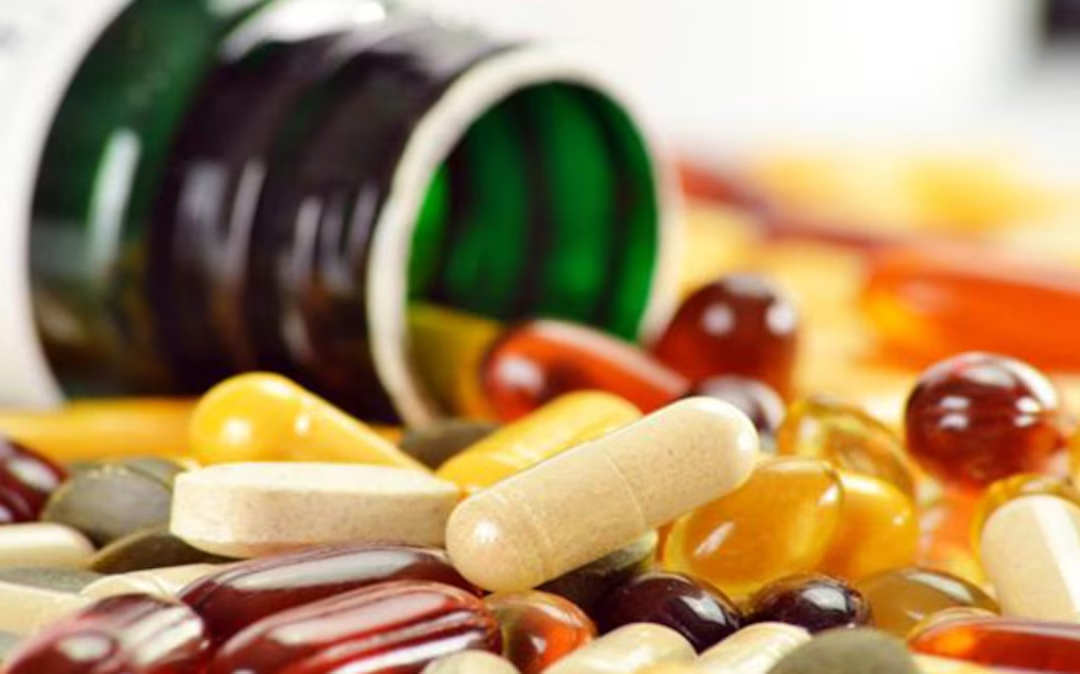
Herbal Supplements, Good, Bad, or …?
To Go or Not to Go Herbal, that is the Question…
Many people nowadays are turning to “organics” and “naturals,” otherwise known as herbals. The rising popularity of herbal supplements has created a new fad, if not a new health lifestyle. Before you join the bandwagon, here are some things you need to know about this mean, “green” dietary supplement machine.
What is the difference between a drug and a dietary herbal supplement?
According to the definition set by food and drug administrations in different countries, drugs are chemicals that can prevent, prolong life, treat other effects of a health condition, improve the quality of life, and/or cure ailments and diseases, or alter the function of any part or chemicals inside the body. These drugs have approved therapeutic claims.
For example, paracetamol is a drug given to bring down body temperature during a fever. Ascorbic acid is indicated for the treatment of scurvy. Iron supplements are given to treat mild cases of anemia.
Herbal supplements are not classified as drugs but as dietary supplements. The main difference is that they do not have approved therapeutic claims unlike in the case of drugs. Moreover, dietary supplements could contain vitamins, minerals, herbals, or amino acids, all aimed at adding to or supplementing the diet of an individual. They are not intended to be taken alone as a substitute for any food or medicine.
Most of the manufactured medicines we now have once came from animals and plants. Through the years, chemists isolated the life-saving or life-curing components and separated them from the harmful ones. This led to further drug research and drug development that led to the production of a different variety of drugs for many ailments and conditions from synthetic sources. But still we have semi-synthetic drugs, as well as drugs that more or less approximate natural composition. Since herbal supplements are made from a mixture of crude herbs reduced into powder or gel form, and later on packaged as tablets and capsules, there is a possibility that life-threatening or at least body chemistry-altering components are still present; thus the expression of concern from the medical community.
Is there a growing concern with the use of herbal supplements?
Yes. With the rising popularity of using and consuming anything herbal or organic, there is a proliferation of fake herbal supplements that threaten to endanger lives. If that’s the case, then why are herbal supplements given drug administration approvals? One way of ensuring the safety of the people is to have all candidate drugs, food, drinks, and dietary supplements registered with the proper authority. Otherwise, they would pose more risk, with these things being sold on the black market for a hefty sum. We could ensure the quality and safety of herbal supplements if they get proper classification with the Food and Drug Administration. Moreover, people may be able to file the proper complaints in the event a worsening of health condition is proven to be linked to the use of a particular herbal supplement.
Is using herbal supplements worth the risk?
Yes. It cannot be discounted that many who have tried herbal supplements experienced an improvement in their health—whether this is due to the herbs themselves or due to a placebo effect; as long as they do not worsen the condition of an individual, then using them is worth the risk. But of course, certain things must be considered before taking those herbal supplements:
Your doctor knows best.
First of all, clear your condition with your doctor. Ask him/her if taking a particular herbal supplement is safe given your health condition. People with heart, liver, or kidney trouble or malfunction are usually not advised to take these, or at a minimum, to take these herbals in minimal amounts. All substances pass through the liver and kidneys to be processed and filtered, respectively. Kava, which is used to relieve people from stress, has been pulled out of the Canadian, Singaporean, and German markets because it contains substances that cause liver damage. Certain herbals, such as Ephedra used for losing weight, contain chemicals with heart-inducing effects that can increase heart rate, which in turn can exhaust the heart and cause heart attacks in several documented cases by the American Medical Association.
Follow the directions for use.
Never take more herbal supplements than what is directed by the doctor or as instructed on the bottle. Each individual reacts differently to the components of herbal supplements. While it is perfectly safe for one individual to take a supplement of primrose oil capsules, another person may be allergic to it. So, do not even think about downing one bottle of
It has no approved curative effect.
No matter how the product pamphlet or the label of the bottle sounds about how it has been found to be helpful in certain health conditions, these herbal supplements are not therapeutic. So do not substitute these for the medications prescribed by your doctor for the treatment of certain diseases, or for the maintenance of blood pressure, lowering of blood sugar and cholesterol, and fighting off infections.