
Lifestyle Can Affect Chronic Pain
Pain is your body’s way of telling you that something is wrong. Sometimes, pain can stick around even after the original problem has healed. If pain lasts longer than three months, it is called chronic pain. You might feel it anywhere in your body, and it can be mild or severe, come and go, or be constant. It can also be distracting or even disabling. Common types of pain include back pain, arthritis, and headaches. Your healthcare provider will help you find treatments or medications to help reduce your pain.
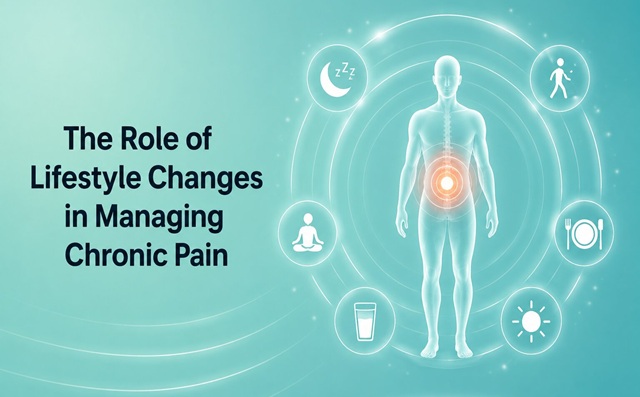
Making lifestyle changes to your daily habits can also help manage chronic pain.
-
- Diet and nutrition: When your body is inflamed, you feel pain. Eating a lot of processed foods can make inflammation worse. Diets like the Mediterranean diet, which include fruits, vegetables, beans, whole grains, nuts, seeds, and fish, help reduce inflammation. Eat real foods, mostly plants, and avoid highly processed foods. If you can’t pronounce the ingredients, don’t eat it.
- Movement: Being active on a regular basis can help stop the pain cycle. Exercise makes your muscles stronger, helps you move better, and supports your joints. It also improves blood flow, brings nutrients to your tissues, and releases natural chemicals that block pain and lift your mood. Staying active can also help with anxiety and depression that often worsen chronic pain. Activities like walking, swimming, cycling, yoga, Tai Chi, Pilates, and using resistance bands can all help reduce pain. Start slowly, pay attention to how your body feels, and make sure to rest and recover. Talk to your healthcare provider or physical therapist before starting a new exercise routine.
- Sleep: When you don’t sleep well, your brain has a harder time handling pain. Poor sleep can also lower your mood and increase the risk of depression and anxiety, which can make pain feel even worse. Keep your bedroom at a comfortable temperature, and try not to eat, work, or use screens in bed. Turn off electronics an hour before you go to sleep, since blue light can make it harder to fall asleep. Create a bedtime routine to help your body relax.
- Social connection: People who have strong social support and close relationships tend to feel better emotionally and have less stress. They also often feel less pain than people who are more isolated.
- Decrease stress: Pain is the brain’s protective response. Nerves detect actual or potential harm and send warning signals to the spinal cord and brain. The brain then creates pain to protect the body.
Stress can intensify pain. When the brain senses danger, it releases stress hormones that generate energy and prepare muscles for fight or flight. This response is useful in a crisis, but chronic stress keeps muscles tense and increases inflammation, contributing to ongoing pain.
- Thoughts trigger chronic pain reactions. The brain and body respond to an imagined threat the same way they respond to an actual threat. A frightening movie, for example, can increase the heart rate, raise blood pressure, and tense the muscles even though no actual danger is present. The mind/body connection is the same whether it is real danger or stressful thinking.
- Attention and expectation influence pain. Repeatedly anticipating pain makes a person hyper-vigilant. If you expect pain every time you stand up, you reinforce the focus on the pain.
- Mood affects the pain experience. Pain feels more manageable when you are in a positive or calm mood and more intense during periods of distress.
- Awareness can help. Recognizing stress triggers and understanding the mind-body connection reduces fear and can lessen the experience of pain.
- Respond to flare-ups with compassion. Instead of struggling to fix the pain, pause and nurture yourself. Choose a calming or enjoyable activity. As stress decreases and the mind settles, the pain may become easier to manage.
Chronic pain is real, even when tests do not reveal a clear cause. It is not all in the mind, but the brain and body work together to shape how pain is experienced.




Two things that have really helped me ‘fight pain’ have ben a regimented sleep pattern and trying to move more (even though the pain is there)
Thank you for your input.
Moving through pain can be challenging